वैक्यूम इंसुलेशन परफॉर्मेंस: गर्म/ठंडा रखने की जाँच कैसे होती है
वैक्यूम इंसुलेशन परफॉर्मेंस का परीक्षण बोतल को उबलते पानी के करीब भरकर, सील करके, और लिखित स्पेसिफिकेशन लिमिट के विरुद्ध 6–12 घंटे में बाहरी दीवार का तापमान और आंतरिक तापमान ड्रॉप मापकर किया जाता है। यह समझना कि टेस्ट कैसे काम करता है, आपको ऐसी स्पेक लिखने में मदद करता है जो सप्लायर को जवाबदेह बनाए और इंसुलेशन फेलियर को ग्राहकों तक पहुंचने से पहले पकड़े।
मार्केटिंग क्लेम से ज़्यादा इंसुलेशन टेस्टिंग क्यों मायने रखती है
हर सप्लायर "24-घंटे हीट रिटेंशन" का दावा करता है — लेकिन एक परिभाषित टेस्ट प्रोटोकॉल के बिना, वह नंबर बेमतलब है। तापमान रिटेंशन शुरुआती तापमान, परिवेश तापमान, लिड डिज़ाइन, बोतल के आकार और फिल वॉल्यूम पर निर्भर करती है — इनमें से कोई भी मानकीकृत नहीं है जब तक आप परचेज़ ऑर्डर में स्पेसिफाई न करें।
खरीदारों के लिए, सप्लायर के मार्केटिंग क्लेम और वास्तविक फील्ड परफॉर्मेंस के बीच का अंतर एक वास्तविक कमर्शियल रिस्क है:
- ग्राहक रिटर्न और नेगेटिव रिव्यू। एक 24-oz टम्बलर जो चार घंटे में हीट खो देता है, लॉन्च के हफ्तों के भीतर Amazon पर वन-स्टार रिव्यू लाता है।
- सैंपल और बल्क के बीच क्वालिटी फेड। जो सैंपल आपने अप्रूव किया वह वास्तव में 12 घंटे हीट रिटेन कर सकता है — क्योंकि इसे अच्छी तरह से सील वैक्यूम के साथ हाथ से फिनिश किया गया था। लाइन स्पीड पर बनी बल्क यूनिट्स में पार्शियल वैक्यूम लॉस हो सकता है जो रिटेंशन आधी कर दे।
- कोई मानक एनफोर्समेंट नहीं। स्टील ग्रेड के विपरीत (जहां XRF टेस्टिंग निर्णायक है), इंसुलेशन परफॉर्मेंस का कोई एकल अंतर्राष्ट्रीय मानक नहीं है। स्पेसिफाई और वेरीफाई करने की ज़िम्मेदारी पूरी तरह खरीदार पर है।
डबल-वॉल वैक्यूम इंसुलेशन वास्तव में कैसे काम करता है
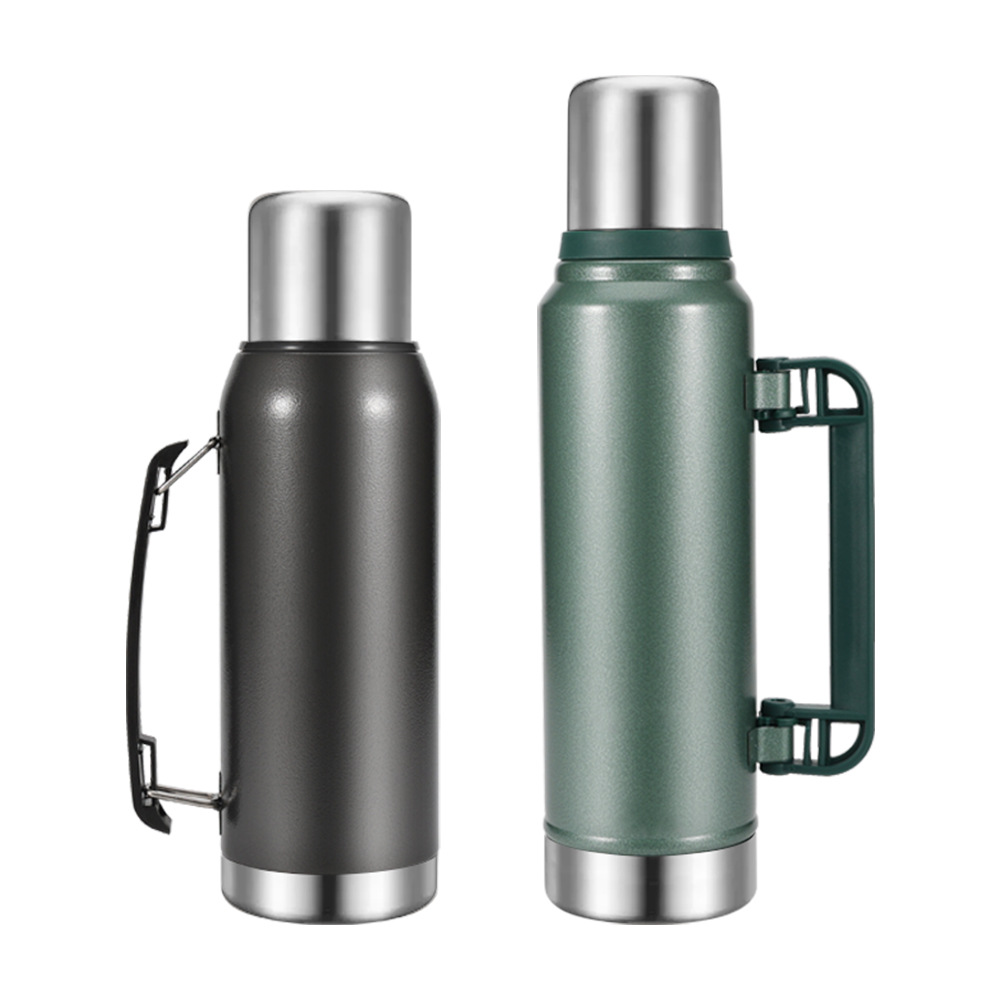
एक वैक्यूम-इंसुलेटेड बोतल में दो स्टेनलेस स्टील की दीवारें होती हैं जिनके बीच नियर-वैक्यूम गैप होता है — यह आमतौर पर रिम और बेस पर इनर और आउटर वॉल को एक साथ वेल्ड करके, फिर एक छोटे पोर्ट के ज़रिए हवा निकालकर और एक प्लग से सील करके हासिल किया जाता है (बोतल बेस पर दिखाई देने वाला डॉट)। गैप में हवा को खत्म करना कन्वेक्टिव और कंडक्टिव हीट ट्रांसफर को खत्म करता है।
तीन मेकेनिज़्म समय के साथ या मैन्युफैक्चरिंग डिफेक्ट के कारण इंसुलेशन को डिग्रेड कर सकते हैं:
- वेल्ड सीम या प्लग पर वैक्यूम लॉस। यह सबसे आम मैन्युफैक्चरिंग डिफेक्ट है।
- गेटर (अवशोषक सामग्री) विफलता। क्वालिटी निर्माता वैक्यूम गैप में एक छोटी मात्रा में गेटर सामग्री रखते हैं। अगर गेटर अनुपस्थित या अपर्याप्त है — एक कॉस्ट-कटिंग उपाय — तो वैक्यूम समय के साथ तेज़ी से डिग्रेड होता है।
- इनर वॉल जियोमेट्री। एक कोरुगेटेड या एम्बॉस्ड इनर वॉल सरफेस एरिया बढ़ाती है, लेकिन प्रमुख वेरिएबल वैक्यूम क्वालिटी है, वॉल शेप नहीं।
स्टील ग्रेड (304 बनाम 316 बनाम 201) स्पेसिफाई करने वाले खरीदारों के लिए, ध्यान दें कि इनर वॉल फूड-कॉन्टैक्ट सरफेस है। एक बोतल में लेजिटिमेट 304 इनर वॉल और सस्ती 201 आउटर वॉल हो सकती है — कुछ सप्लायर लागत कम करने के लिए ऐसा करते हैं।
स्टैंडर्ड वैक्यूम इंसुलेशन ऑवर्स टेस्ट: यह वास्तव में क्या मापता है
मुख्य टेस्ट सिद्धांत में सरल है: बोतल को परिभाषित शुरुआती तापमान पर पानी से भरें, सील करें, और परिभाषित परिवेश स्थितियों में परिभाषित अंतराल पर तापमान ड्रॉप मापें। चीन फैक्ट्री QC और अंतर्राष्ट्रीय ड्रिंकवेयर टेस्टिंग में सबसे अधिक संदर्भित मानक ASTM F2106 (बेवरेज कंटेनर के लिए) और चीनी राष्ट्रीय मानक GB/T 29217 हैं।
एक सामान्य फैक्ट्री-लेवल हीट रिटेंशन टेस्ट प्रोटोकॉल:
- बोतल तैयार करें। धोएं और सुखाएं। उबलते पानी से भरकर दो मिनट प्रतीक्षा करके फिर खाली करके प्री-हीट करें — यह ठंडे-कमरे के तापमान की इनर वॉल की थर्मल मास को शुरुआती रीडिंग को तिरछा करने से समाप्त करता है।
- टेस्ट लिक्विड से भरें। कैलिब्रेटेड प्रोब थर्मोमीटर से मापकर 95 °C (203 °F) पर पानी से 90–95% क्षमता तक भरें।
- सील करें और स्टार्ट टाइम रिकॉर्ड करें। प्रोडक्शन लिड लगाएं। शुरुआती तापमान रिकॉर्ड करें।
- नियंत्रित परिवेश स्थितियों में स्टोर करें। स्टैंडर्ड परिवेश 20 ±2 °C है।
- परिभाषित अंतराल पर मापें। खोलें, कैलिब्रेटेड प्रोब डालें, ओपन लिड से कूलिंग को कम करने के लिए 30 सेकंड के भीतर तापमान पढ़ें। स्टैंडर्ड अंतराल "हीट रिटेंशन" के लिए 6 और 12 घंटे हैं।
- रिकॉर्ड करें और पास/फेल थ्रेशोल्ड से तुलना करें। एक क्वालिटी 500 ml वैक्यूम बोतल के लिए सामान्य स्पेक: 6-घंटे के निशान पर इंटर्नल तापमान ≥ 74 °C (165 °F) रहना चाहिए।
कोल्ड रिटेंशन सिमेट्रिकली टेस्ट की जाती है: 4–5 °C पर पानी से भरें, सील करें, और चेक करें कि 12 घंटे में तापमान ≤ 15 °C रहे। कोल्ड टेस्टिंग में आउटर वॉल पर कंडेंसेशन भी चेक होता है — कमरे के तापमान पर दृश्यमान पसीना वैक्यूम लॉस को इंडिकेट करता है और ऑटोमैटिक फेल है।
मार्केटिंग नंबरों का असल मतलब — और कब शक करना चाहिए
"24-घंटे कोल्ड / 12-घंटे हॉट" जैसे मार्केटिंग क्लेम लगभग हमेशा बेस्ट-केस टेस्ट कंडीशन पर आधारित होते हैं: एक बड़ी-वॉल्यूम बोतल (32 oz या अधिक), प्री-कंडिशंड, उबलते या जमने के करीब तरल से 95% भरी। वास्तविक दुनिया की परफॉर्मेंस आमतौर पर 20–30% कम होती है।
| वेरिएबल | अनुकूल (मार्केटिंग टेस्ट) | सामान्य वास्तविक दुनिया | रिटेंशन पर प्रभाव |
|---|---|---|---|
| बोतल का आकार | 32 oz / 1 L | 12–16 oz | छोटा = तेज़ ड्रॉप (कम थर्मल मास) |
| शुरुआती तापमान | 95 °C उबलना | ब्रूइंग के बाद 85–90 °C | कम शुरुआत = एक ही दर पर कम अंत तापमान |
| फिल लेवल | 95% भरा | 60–80% (सामान्य उपयोग) | एयर स्पेस कूलिंग तेज़ करता है |
| परिवेश तापमान | 20 °C लैब | गर्मियों में / कार में 25–35 °C | ज़्यादा परिवेश = तेज़ हीट लॉस |
| लिड टाइप | सील्ड स्क्रू कैप | फ्लिप-टॉप या स्ट्रॉ लिड | एयर गैप वाली लिड रिटेंशन 10–25% कम करती है |
व्यावहारिक निष्कर्ष: अगर एक सप्लायर फ्लिप-टॉप लिड वाले 12 oz कॉफी कप के लिए "24 घंटे" का दावा करता है, तो इसे रेड फ्लैग मानें। प्रोटोकॉल विवरण के साथ टेस्ट रिपोर्ट मांगकर वेरीफाई करें। नकली टेस्ट रिपोर्ट पहचानने के मार्गदर्शन के लिए देखें: सप्लायर टेस्ट रिपोर्ट असली हैं या नहीं कैसे वेरीफाई करें।
अपने परचेज़ ऑर्डर में इंसुलेशन परफॉर्मेंस कैसे स्पेसिफाई करें
एक टेस्टेबल इंसुलेशन स्पेक लिखना आपको तब सुरक्षित करता है जब आप प्री-शिपमेंट इंस्पेक्शन चला रहे हों। एक अस्पष्ट स्पेक ("12 घंटे हीट रिटेन करनी चाहिए") सप्लायर को यह तर्क देने की गुंजाइश देती है कि टेस्ट आपसे अलग स्थितियों में हुआ।
एक पूर्ण इंसुलेशन स्पेक में शामिल होना चाहिए:
- टेस्ट स्टैंडर्ड रेफरेंस: जैसे "ASTM F2106 / GB/T 29217 प्रोटोकॉल के अनुसार टेस्ट किया"।
- शुरुआती तापमान: "95 ±1 °C पर पानी से भरें।"
- फिल वॉल्यूम: "रेटेड क्षमता का 95% भरें।"
- लिड स्पेसिफिकेशन: "शिप की गई प्रोडक्शन लिड के साथ टेस्ट किया — सब्सटिट्यूट टेस्ट कैप नहीं।"
- परिवेश स्थितियां: "20 ±2 °C पर स्टोर करें, कोई सीधी धूप नहीं।"
- पास/फेल थ्रेशोल्ड: "हीट रिटेंशन के लिए इंटर्नल तापमान 6 घंटे पर ≥ 74 °C और 12 घंटे पर ≥ 55 °C होना चाहिए। कोल्ड रिटेंशन के लिए: 4 °C शुरुआती तापमान से 12 घंटे पर ≤ 15 °C।"
- आउटर वॉल तापमान लिमिट: "95 °C पानी भरने के 5 मिनट बाद आउटर वॉल सरफेस तापमान 40 °C से अधिक नहीं होनी चाहिए (वैक्यूम इंटीग्रिटी चेक)।"
- सैंपल साइज़: बल्क प्रोडक्शन रन से कितनी यूनिट टेस्ट की जाती हैं स्पेसिफाई करें — आमतौर पर 3–5 रैंडमली सिलेक्टेड यूनिट, फैक्ट्री द्वारा हैंड-पिक नहीं की गईं।
खरीदार फैक्ट्री पर या अराइवल सैंपल पर जो फील्ड टेस्ट कर सकते हैं
बेसिक वैक्यूम इंटीग्रिटी चेक के लिए आपको लैब की ज़रूरत नहीं। ये टेस्ट प्रति यूनिट 15 मिनट से कम लेते हैं:
- आउटर वॉल टच टेस्ट। उबलते पानी से भरें, सील करें, 5 मिनट प्रतीक्षा करें। आउटर वॉल पर हाथ घुमाएं। एक ठीक से वैक्यूम की गई बोतल कमरे के तापमान पर होनी चाहिए। कोई भी गर्माहट — विशेष रूप से वेल्ड सीम या बेस के पास — वैक्यूम लॉस इंडिकेट करती है।
- कंडेंसेशन टेस्ट (कोल्ड रिटेंशन)। आइस वॉटर (4–5 °C) से भरें, सील करें, 15 मिनट कमरे के तापमान पर छोड़ें। आउटर वॉल पर कोई कंडेंसेशन नहीं बनना चाहिए।
- वेट चेक। स्पेसिफाइड वेट के विरुद्ध रैंडम सैंपल तौलें।
- वैक्यूम पोर्ट इंस्पेक्शन। तेज़ रोशनी में बेस प्लग जांचें। प्लग फ्लश होना चाहिए और कोई क्रैक या अधूरी सीलिंग नहीं दिखनी चाहिए।
इंसुलेशन, स्टील ग्रेड, लिड इंटीग्रिटी और कोटिंग को कवर करने वाले पूर्ण फील्ड इंस्पेक्शन चेकलिस्ट के लिए देखें: सामान्य इंसुलेटेड बोतल डिफेक्ट और QC चेक।
201 सब्सटिट्यूशन रिस्क और इंसुलेशन: ये जुड़े हुए हैं
स्टील ग्रेड फ्रॉड और इंसुलेशन फेलियर अलग-अलग मुद्दे हैं, लेकिन वे अक्सर एक साथ आते हैं। जो फैक्ट्री 201 स्टील से लागत काट रही है वही वैक्यूम सीलिंग टाइम, गेटर सामग्री और लिड टूलिंग रखरखाव पर भी कटौती करने की संभावना है।
अगर बल्क यूनिट पर आपका इंसुलेशन टेस्ट अप्रूव्ड सैंपल से काफी कम परफॉर्म करता है, तो XRF स्टील-ग्रेड वेरिफिकेशन भी मांगें। 201 सब्सटिट्यूशन का पता लगाने की विस्तृत गाइड के लिए देखें: 304 स्टेनलेस स्टील कैसे वेरीफाई करें और 201 स्कैम से बचें।
Muchuang इंसुलेशन वेरिफिकेशन कैसे अपनाता है
Muchuang में, वैक्यूम इंटीग्रिटी टेस्टिंग हमारे स्टैंडर्ड इनलाइन QC प्रोटोकॉल का हिस्सा है — हर बैच को लिड असेंबली से पहले सीलिंग स्टेशन पर आउटर वॉल तापमान के लिए सैंपल किया जाता है। हम कैलिब्रेटेड डिजिटल थर्मोमीटर का उपयोग करते हैं और बैच नंबर के अनुसार परिणाम लॉग करते हैं। स्वतंत्र वेरिफिकेशन चाहने वाले खरीदारों के लिए, हम रैंडमली सिलेक्टेड प्रोडक्शन यूनिट — हैंड-पिक्ड सैंपल नहीं — पर फंक्शनल इंसुलेशन टेस्टिंग के साथ थर्ड-पार्टी प्री-शिपमेंट इंस्पेक्शन का स्वागत करते हैं। हमारे प्रोडक्ट रेंज ब्राउज़ करें या ऑर्डर देने से पहले इंसुलेशन परफॉर्मेंस स्पेसिफिकेशन पर चर्चा के लिए हमसे संपर्क करें।
अक्सर पूछे जाने वाले सवाल
वैक्यूम इंसुलेशन ऑवर्स परफॉर्मेंस के लिए स्टैंडर्ड टेस्ट क्या है?
सबसे अधिक संदर्भित मानक ASTM F2106 (US) और चीनी राष्ट्रीय मानक GB/T 29217 हैं। दोनों फिल तापमान, परिवेश स्थितियां, टेस्ट अंतराल और पास/फेल तापमान थ्रेशोल्ड परिभाषित करते हैं।
मैं कैसे बता सकता हूं कि फील्ड में वैक्यूम बोतल ने अपना इंसुलेशन खो दिया है?
बोतल को उबलते पानी के करीब भरें, प्रोडक्शन लिड से सील करें, और पांच मिनट बाद आउटर वॉल को छूएं। एक सही तरीके से सील वैक्यूम बोतल कमरे के तापमान पर महसूस होनी चाहिए। कोई भी गर्माहट — विशेष रूप से बेस वेल्ड सीम या बेस पर वैक्यूम पोर्ट प्लग के पास — वैक्यूम लॉस इंडिकेट करती है।
मेरा बल्क ऑर्डर अप्रूव्ड सैंपल से बदतर परफॉर्म क्यों करता है?
अप्रूव्ड सैंपल आमतौर पर वैक्यूम सीलिंग टाइम और लिड फिट पर अतिरिक्त ध्यान के साथ हाथ से फिनिश किया जाता है। बल्क प्रोडक्शन ज़्यादा स्पीड पर चलती है और लिड टूलिंग समय के साथ घिस जाती है। यह क्वालिटी फेड पैटर्न आम है — समाधान है अपने प्री-शिपमेंट इंस्पेक्शन चेकलिस्ट में रैंडम-यूनिट इंसुलेशन टेस्टिंग (सप्लायर-सिलेक्टेड यूनिट नहीं) शामिल करना।
12 oz ट्रैवल मग के लिए मुझे कौन सा तापमान रिटेंशन स्पेक लिखना चाहिए?
12 oz वैक्यूम-इंसुलेटेड ट्रैवल मग के लिए एक यथार्थवादी, रक्षायोग्य स्पेक: 6 घंटे पर इंटर्नल तापमान ≥ 70 °C, 95 °C शुरुआती तापमान से टेस्ट किया गया, 95% क्षमता भरी, 20 °C परिवेश पर, प्रोडक्शन फ्लिप-टॉप या स्क्रू-कैप लिड का उपयोग करते हुए।
क्या लिड डिज़ाइन इंसुलेशन टेस्ट परिणामों को प्रभावित करता है?
हां, काफी। एक सिलिकॉन सील के साथ स्क्रू-कैप लिड आमतौर पर फ्लिप-टॉप या स्ट्रॉ लिड से 10–25% रिटेंशन टाइम में बेहतर परफॉर्म करती है क्योंकि फ्लिप लिड में छोटे एयर गैप और प्लास्टिक हिंज मेकेनिज़्म के ज़रिए अधिक थर्मल ब्रिजिंग होती है।