वॉटर बॉटल के लिए 304 बनाम 316 बनाम 201 स्टेनलेस स्टील
Water bottles के लिए, 304 stainless steel सही food-grade default है; 316 acidic या electrolyte drinks के लिए premium worth है; और 201 को कभी भी inner liner के लिए use नहीं करना चाहिए। खतरा यह नहीं है कि आप कौन सा grade specify करते हैं — बल्कि यह है कि unscrupulous suppliers sample approval के बाद agreed 304 को सस्ते 201 से substitute करते हैं, एक fraud जिसे CCTV ने 19 thermos brands में expose किया जिनमें manganese levels safety limit से six times थे।
तीन grades एक नज़र में
304, 316 और 201 distinct alloys हैं जिनमें अलग corrosion resistance, safety profiles और price points हैं। इनकी तुलना करने से पहले, आपको यह समझना होगा कि inner liner — वह surface जो आपके liquid के संपर्क में आती है — actually health के लिए मायने रखती है। Outer shell grade largely एक cost और aesthetics question है।
| Grade | Composition (key elements) | Corrosion resistance | Food contact (inner liner) | Relative cost |
|---|---|---|---|---|
| 304 (18/8) | 18% chromium, 8% nickel, ≤0.08% carbon | अच्छी — water, juice, अधिकतर beverages handle करती है | Safe — global food-grade standard | Baseline |
| 316 (marine grade) | 16% chromium, 10% nickel, 2% molybdenum | Excellent — chlorides, acids, salt resist करती है | Safe — acidic / electrolyte drinks के लिए preferred | 304 से 15–25% अधिक |
| 201 | 15–17% chromium, 3–5% nickel, 5–7% manganese | Poor — humid या acidic conditions में pits और rusts | Liners के लिए safe नहीं — manganese liquid में leach करता है | 304 से 30–40% कम |
304 water bottles के लिए industry standard क्यों है
304 stainless steel water bottle inner liners के विशाल majority के लिए सही choice है क्योंकि यह genuine food safety, strong corrosion resistance और cost-effective production को combine करती है।
"18/8" designation का मतलब है 18% chromium (जो rust को prevent करने वाली passive oxide layer form करता है) और 8% nickel (जो austenitic structure को stabilize करता है)। वह combination FDA food-contact regulations, EU LFGB, और हर major compliance framework को satisfy करती है जो आपका target market likely require करेगा। यह water, juices, iced coffee और अधिकतर everyday beverages को measurable metals पitting या leaching के बिना handle करती है।
Importers और brand owners के लिए, 304 inner liner specify करना table stakes है — premium नहीं। Real challenge यह confirming करना है कि आपको यही मिल रहा है, जो नीचे address की गई एक separate problem है।
Supplier में क्या देखना है इसके broader overview के लिए, 304 stainless steel verify करने और 201 substitution scams से बचने पर हमारी guide देखें।
316 की extra cost कब worth है
316 अपने 15–25% price premium को justify करती है जब आपका product chlorides, strong acids, या high-mineral electrolyte solutions के संपर्क में आता है — और जब आपकी brand positioning "premium materials" story support करती है।
Key difference molybdenum (2%) है। Molybdenum chloride environments में pitting corrosion के विरुद्ध resistance dramatically improve करता है — ocean water, sweat, electrolyte drinks, citrus juices और kombucha सोचें। यदि आपका customer एक lemon-salt rehydration drink से bottle fill कर रहा है और इसे 12 hours के लिए छोड़ रहा है, तो 304 time के साथ micro-pitting develop कर सकता है। 316 नहीं करेगा।
Practical situations जहाँ 316 अपना काम करती है:
- Sports और electrolyte bottles — salt-based sports drinks और mineral water plain water की तुलना में repeated use cycles में 304 पर अधिक aggressively attack करते हैं।
- Premium gifting या corporate lines — "316 inner liner" spec एक verifiable, differentiating claim है जिसे आप packaging पर print कर सकते हैं और mill certificate से back कर सकते हैं।
- Coastal या marine-use products — saltwater exposure 316 को marine-grade default बनाता है अच्छे कारण से।
- Coffee और tea tumblers — hot brew में tannic acids surface degradation को accelerate करते हैं; 316 एक product के lifetime में अधिक forgiving है।
Everyday water-bottle lines के लिए जहाँ primary goal competitive retail price hit करना है, 316 usually unnecessary है और landed cost को 304-lined competitors के विरुद्ध justify करना कठिन बनाती है। इसे deliberate, positioned upgrade के रूप में use करें — default के रूप में नहीं।
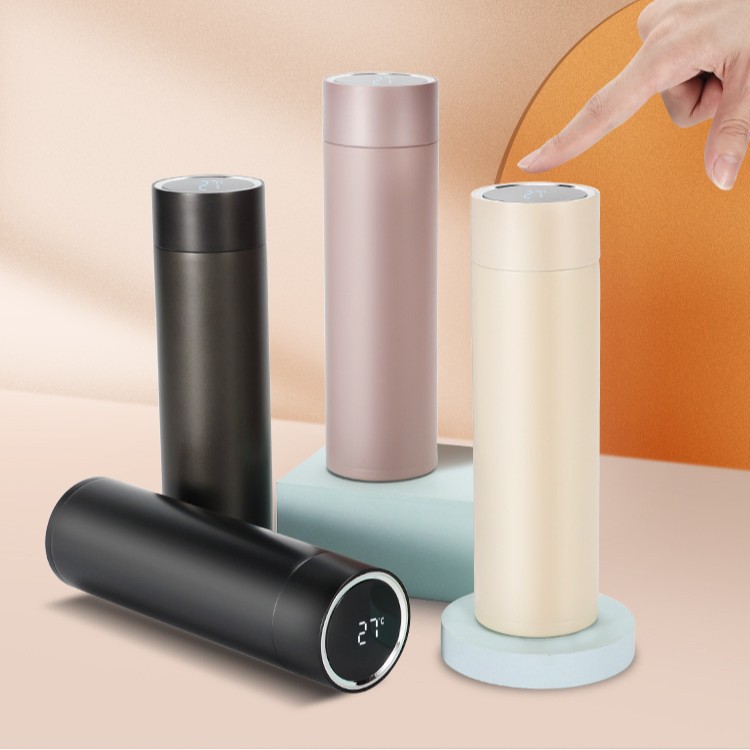
201 inner liners क्यों dangerous हैं — और fraud कितना widespread है
201 stainless steel inner liners के लिए unsafe है क्योंकि इसकी high-manganese composition (5–7%) acidic या humid conditions में corrode होती है, manganese और अन्य metals को directly उस liquid में leach करती है जो आप पीते हैं।
यह theoretical risk नहीं है। एक CCTV investigative report ने 19 thermos brands expose किए — जिनमें major Chinese retail chains में shelves पर products शामिल थे — जिनमें established safety limit से six times manganese content था। Bottles ने initial sampling में 304 के रूप में pass किया था; substitution bulk production में हुई, जहाँ steel का per kilogram cost saving directly factory margin में translate होती है।
201 substitution को overseas buyers के लिए particularly insidious बनाता है:
- आप इसे नहीं देख सकते। 201 और 304 eye को identical दिखते हैं। दोनों में polished होने पर bright, mirror-like finish होती है। Visual inspection useless है।
- Basic magnet tests unreliable हैं। दोनों grades typically austenitic state में non-magnetic हैं। Magnet swap को catch नहीं करेगा।
- XRF test एकमात्र reliable field method है। एक X-ray fluorescence (XRF) spectrometer seconds में elemental composition identify करता है और immediately 201 substitution की elevated manganese और reduced nickel दिखाएगा। यदि आप third-party testing lab commission करते हैं तो $50–150 per unit budget करें, या अपने pre-shipment inspection protocol के हिस्से के रूप में XRF spot-testing require करें।
- Cost incentive strong है। 201 steel market पर 304 की तुलना में roughly 30–40% सस्ता है। 5,000-unit order पर, grades swap करना factory को raw material cost में $2,000–4,000 save कर सकता है — entirely आपके compliance और safety risk पर।
201 outer shells एक different conversation है। Double-wall bottle के exterior पर (वह surface जो कभी liquid के संपर्क में नहीं आती) 201 use करना एक legitimate cost-reduction strategy है, और बहुत से reputable suppliers full disclosure के साथ यह करते हैं। Problem undisclosed 201 on inner liner है — और inner liner पर इसे use करने वाला supplier वही है जो outer shell पर भी इसे disclose नहीं करेगा। दोनों walls के लिए separately material breakdown request करें।
Substitution fraud problem: sample approval protection नहीं है
Gold sample approve करना यह guarantee नहीं करता कि bulk material grade में match करेगा — यह केवल prove करता है कि factory motivated होने पर एक correct unit produce कर सकती है।
"Quality fade" वह pattern है जहाँ approved sample hand-finished होता है या superior stock से pulled, जबकि bulk production high-speed line पर different material sourcing के साथ run होती है। Outer appearance nearly identical हो सकती है; inner liner material नहीं हो सकती। इसीलिए buyers जो sample approval पर rely करते हैं और pre-shipment inspection skip करते हैं consistently discrepancies report करते हैं।
Bulk में 201 substitution के विरुद्ध practical defenses:
- Contract में material specify करें — "304 (SUS304, ASTM A240 type 304) inner liner, 201 outer shell acceptable" explicitly लिखें। Vague "stainless steel" language factory को legal cover देती है।
- हर order के साथ mill certificates require करें — आपके specific purchase order batch से tied Chinese steel mill certificate (या SGS/Intertek material report)।
- अपने PSI scope में XRF testing include करें — अपनी third-party inspection firm (जैसे QIMA, Intertek, Bureau Veritas) को loading से पहले bulk stock से randomly selected units पर XRF spot tests run करने के लिए instruct करें।
- Sample और bulk certificates compare करें — bulk certificate पर heat number mill के records से match होना चाहिए। Fake या recycled certificates common हैं; एक legitimate testing lab issuance cross-check कर सकती है।
Supplier test reports validate करने के complete framework के लिए, supplier test reports genuine हैं यह कैसे verify करें देखें।
Grade के अनुसार compliance implications
Material grade directly affect करती है कि कौन सी compliance certifications apply होती हैं और उन्हें obtain करना कितना आसान है।
US import के लिए, food-contact materials को FDA 21 CFR requirements comply करनी होंगी। EU/Germany के लिए, LFGB (DIN EN 13130 / Bedarfsgegenständeverordnung) migration limits set करता है जो FDA से stricter हैं। California Prop 65 lead और nickel migration के लिए specific thresholds add करता है — 316 की higher nickel content normal migration levels पर Prop 65 concern नहीं है, लेकिन आप जो भी compliance documentation submit करते हैं उसमें production में actually used grade का reference होना चाहिए, न कि वह grade जो आपने specify की।
Grade के अनुसार key compliance points:
- 304 — properly manufactured होने पर FDA, LFGB, EU REACH, Prop 65 pass करती है। Broadest certificate coverage, obtain करना सबसे सस्ता।
- 316 — उपरोक्त सभी भी pass करती है। कुछ LFGB labs 316 के लिए slight premium charge कर सकती हैं क्योंकि यह consumer drinkware में कम common है।
- 201 — यदि liner hot acidic liquid contact करे तो LFGB migration testing में manganese के लिए fail होगी। एक factory जो आपको 201-lined product पर passing LFGB certificate offer करती है, वह एक fraudulent या mismatched certificate present कर रही है — यह वही "fake cert" scenario है जिसे Amazon ने specifically address किया जब उसने September 2024 में compliance documentation pre-listing require करना शुरू किया।
PFAS regulations एक और layer add करती हैं: 2026 से, several US states food-contact surfaces पर PFAS coatings ban करते हैं। यह bare stainless liners की बजाय powder-coated outer shells को affect करती है, लेकिन यदि आपका supplier product पर कहीं भी PTFE-containing coating use करता है, तो उसे अब PFAS-free certification की जरूरत है। Full framework के लिए FDA, LFGB, Prop 65 और PFAS covering drinkware compliance पर हमारा article देखें।
2025 में cost और tariff impact
Steel grade आपकी total landed cost में एक input है — और 2025 में, US Section 301 tariffs plus IEEPA layers ने उस cost picture को significantly push किया है।
Chinese-origin stainless steel drinkware (HTS 7323.93) पर 2025 tariff stack pre-2025 baselines से approximately 20–30% ऊपर run करता है, और $800 से कम parcels के लिए de minimis exemption May 2025 में समाप्त हो गई, एक route eliminate करते हुए जिसे कुछ direct-to-consumer importers use कर रहे थे। 2023 में $7.50 landed unit अब duties, customs bond, FDA entry fees, और 3PL prep factored करने के बाद $13 या अधिक cost कर सकता है।
उस context में, 304 से 316 के लिए 15–25% premium careful positioning deserve करती है: यदि आप already per unit पर $5+ additional tariff cost absorb कर रहे हैं, तो genuine 316 के लिए another $1–2 add करना still sense make कर सकता है यदि आपका margin model और product story इसे support करे। Margin recover करने के लिए 201 में downgrade करना wrong answer है — और वह है जो compliance failures, refunds और potential Amazon listing suspension में end होता है।
Current tariff layers का full breakdown और HTS-based landed cost calculate कैसे करें के लिए, Chinese drinkware पर US tariffs: HTS codes और 2025 landed cost देखें।
Factory vs trading company: trading companies के साथ material grade enforce करना harder क्यों है
304 inner liner specification enforce करने के लिए production floor और steel purchasing records तक direct access required है। एक genuine factory दोनों provide कर सकती है। Trading company typically नहीं — यह factories से finished goods buy करती है जिन्हें उसने audit नहीं किया होगा और आपकी behalf पर material sourcing control करने की limited ability रखती है।
Factory-vs-trading-company distinction 201 substitution जैसे material fraud risk के लिए especially मायने रखती है। यदि आपका "supplier" trading company है, तो आपका mill certificate request एक और intermediary के माध्यम से जाता है जो नहीं जानता — या disclose नहीं करना चाहता — steel actually कहाँ से आया। Drinkware sourcing के लिए factory vs trading company के detailed breakdown पर पहले किसी भी supplier को shortlist करने से पढ़ें।
Muchuang material traceability को कैसे address करता है
Muchuang (Zhejiang Muchuang Industry & Trade Co., Ltd.) एक factory-direct manufacturer है — trading company नहीं — जिसमें each production batch से tied mill certificates द्वारा backed food-grade 304 और 316 stainless steel के documented use हैं। हम pre-shipment inspection के दौरान third-party XRF testing support करते हैं, grade-specific LFGB और FDA documentation provide करते हैं, और request पर premium lines के लिए 316-inner-liner bottles produce कर सकते हैं। Material specifications discuss करने के लिए हमारी product range browse करें या हमसे संपर्क करें।
अक्सर पूछे जाने वाले प्रश्न
क्या मैं यह test करने के लिए magnet use कर सकता हूँ कि मेरी bottle 304 है या 201?
नहीं — magnet test 304 को 201 से distinguish करने के लिए reliable नहीं है। दोनों grades austenitic हैं और annealed state में largely non-magnetic हैं। कुछ 201 pieces cold-forming के बाद very slight magnetism दिखा सकते हैं, लेकिन यह inconsistent है। एकमात्र reliable field method XRF (X-ray fluorescence) spectrometry है, जो elemental composition directly read करती है और 304 के higher nickel बनाम 201 की elevated manganese identify करती है।
क्या bottle use करना safe है यदि मुझे पता नहीं कि liner 304 है या 201?
Risk use पर depend करता है। Short periods के लिए 201 bottle में plain cold water lower risk है, बजाय hours तक held acidic या hot beverages के। हालाँकि, coffee, juice या electrolyte drinks के साथ 201-lined bottle का repeated use manganese leaching को accelerate करता है। जब तक आप XRF या certified lab report के माध्यम से grade confirm न कर सकें, unknown-grade bottle को acidic beverages और hot liquids के लिए unsuitable मानें।
कुछ suppliers "SUS304" क्यों offer करते हैं और कुछ केवल "stainless steel" कहते हैं?
"SUS304" 304-grade stainless steel के लिए Japanese Industrial Standards (JIS) designation है, जो Chinese manufacturing documentation में food-grade 304 के synonym के रूप में widely used है। जो supplier spec sheet में केवल "stainless steel" लिखता है वह एक legal gap छोड़ रहा है जो substitution allow करता है। अपने purchase order और contract में हमेशा "SUS304 inner liner" या "ASTM A240 Type 304 inner liner" require करें — specific designation enforcement और compliance documentation के लिए matters करती है।
मुझे 304 पर 316 के लिए premium कब pay करना चाहिए?
Premium तब pay करें जब आपका product regularly chlorides, strong acids, या high-mineral electrolyte solutions — sports drinks, citrus juices, kombucha, mineral water — के संपर्क में आएगा। यह भी consider करें जब आपकी brand positioning "marine grade" या "premium materials" story justify करे और आप packaging पर mill certificate के साथ इसे verify कर सकें। Price-competitive markets को target करने वाली plain water bottles के लिए, 304 सही choice है।
मैं अपने supplier को bulk production में 304 के लिए 201 substitute करने से कैसे रोकूँ?
चार steps risk substantially reduce करते हैं: specific grade को अपने purchase contract में लिखें; अपने batch से tied mill certificate require करें (generic factory copy नहीं); अपने pre-shipment inspection scope में XRF spot testing include करें; और third-party lab के माध्यम से certificate heat number को mill के issuance records से compare करें। कोई single step foolproof नहीं है — सभी चार together substitution significantly harder बनाते हैं और यदि यह occur हो तो prove करना आसान।