इन्सुलेटेड बॉटल के सामान्य दोष और उन्हें शिपमेंट से पहले कैसे पकड़ें
सबसे आम इंसुलेटेड बोतल डिफेक्ट — लीक, वैक्यूम लॉस, कोटिंग चिप्स, स्टील सब्सटिट्यूशन, लिड मिसफिट, डेंट और गंध — शायद ही कभी आपके गोल्डन सैंपल में दिखते हैं। ये बल्क प्रोडक्शन रन पर उभरते हैं। यह जानना कि कौन से QC चेक और AQL लेवल प्रत्येक डिफेक्ट पकड़ते हैं, एक लाभदायक पहले ऑर्डर और रिटर्न से भरे कंटेनर के बीच का अंतर है।
सैंपल में नहीं बल्कि बल्क में डिफेक्ट क्यों आते हैं
बल्क प्रोडक्शन अप्रूव्ड सैंपल से इसलिए अलग होती है क्योंकि दोनों अलग तरह से बनाए जाते हैं। आपका गोल्डन सैंपल एक कुशल तकनीशियन ने हाथ से फिनिश किया था; बल्क रन हाई-स्पीड प्रोडक्शन लाइन से आती है जहां एक वर्कर हर बोतल को सेकंड के लिए छूता है। यह पैटर्न — कभी-कभी क्वालिटी फेड कहा जाता है — आकस्मिक नहीं है; यह स्ट्रक्चरल है।
विशेष रूप से इंसुलेटेड ड्रिंकवेयर के लिए कई कारक जोखिम को बढ़ाते हैं:
- जटिल असेंबली। एक वैक्यूम-इंसुलेटेड बोतल में इनर लाइनर, आउटर शेल, वैक्यूम पोर्ट वेल्ड और थ्रेडेड लिड होती है — चार अलग-अलग फेलियर पॉइंट।
- मटेरियल सब्सटिट्यूशन इंसेंटिव। 304 स्टेनलेस स्टील 201 से लगभग 30–40% महंगा है। CCTV जांच में 19 थर्मस ब्रांड मिले जिनमें मैंगनीज सुरक्षा सीमा से छह गुना था।
- डेकोरेशन जटिलता। पाउडर कोटिंग, लेज़र एनग्रेविंग, UV प्रिंटिंग और सिल्क-स्क्रीन में से प्रत्येक एक प्रोसेस स्टेप जोड़ता है जहां क्वालिटी फिसल सकती है।
छह सबसे आम इंसुलेटेड बोतल डिफेक्ट
1. वैक्यूम लॉस (इंसुलेशन फेलियर)
वैक्यूम लॉस सबसे गंभीर फंक्शनल डिफेक्ट है: डबल-वॉल कैविटी अब इवैक्युएटेड नहीं है, इसलिए बोतल अपनी इंसुलेटिंग प्रॉपर्टी पूरी तरह खो देती है। एक खरीदार जो इसे गर्म कॉफी से भरता है और 30 मिनट में ठंडा पाता है वह कभी रिऑर्डर नहीं करेगा।
रूट कॉज़ में खराब वेल्डेड या अनप्लग्ड वैक्यूम पोर्ट, इनर लाइनर वेल्ड में माइक्रो-क्रैक, या ट्रांज़िट के दौरान क्षति शामिल हैं। वैक्यूम लॉस आंख से अदृश्य है। केवल विश्वसनीय पकड़ है कि पैकिंग से पहले फिनिश्ड यूनिट के स्टैटिस्टिकल सैंपल पर हॉट-वॉटर या आइस-वॉटर इंसुलेशन टेस्ट किया जाए।
- फील्ड टेस्ट (हॉट): उबलते पानी से भरें, सील करें, और 5–10 मिनट बाद आउटर वॉल तापमान जांचें। एक ठीक से वैक्यूम-सील्ड बोतल आउटर सरफेस पर 40 °C से नीचे पढ़नी चाहिए।
- फील्ड टेस्ट (कोल्ड): आइस वॉटर से भरें। 10 मिनट में कमरे के तापमान पर आउटर वॉल पर कोई कंडेंसेशन नहीं बननी चाहिए।
- AQL वर्गीकरण: Major डिफेक्ट। फूड-कॉन्टैक्ट सेफ्टी रिस्क के लिए AQL 1.5; फंक्शनल इंसुलेशन फेलियर के लिए AQL 2.5 लागू करें।
वैक्यूम इंटीग्रिटी टेस्ट के गहरे तकनीकी ब्रेकडाउन के लिए देखें: वैक्यूम इंसुलेशन परफॉर्मेंस टेस्टिंग।
2. लीकिंग लिड और क्लोज़र
एक लीकिंग लिड ड्रिंकवेयर शिपमेंट में सबसे अधिक बार होने वाला Major डिफेक्ट है — और Amazon वन-स्टार रिव्यू के टॉप ड्राइवर में से एक। लिड एक स्टैटिक वर्टिकल टेस्ट पास कर सकती है लेकिन डायनेमिक स्थितियों में लीक हो सकती है।
- स्टैंडर्ड लीक टेस्ट: बोतल को 90% क्षमता तक भरें, लिड से सील करें, बॉडी पर मॉडरेट लेटरल प्रेशर लगाते हुए 30 सेकंड के लिए उल्टा करें। लिड-टू-बोतल इंटरफेस पर शून्य लीकेज अनुमत।
- स्ट्रॉ और फ्लिप-टॉप लिड: अपनी इंस्पेक्शन एजेंसी से प्रेशराइज़्ड एयर प्रोटोकॉल का अनुरोध करें।
- AQL वर्गीकरण: Major डिफेक्ट, AQL 2.5 न्यूनतम। अगर बोतल स्पिल-प्रूफ मार्केट की गई है, तो Critical (AQL 1.5) मानें।
3. स्टील सब्सटिट्यूशन (201 को 304 के रूप में बेचा गया)
स्टील सब्सटिट्यूशन सामान्य मैन्युफैक्चरिंग डिफेक्ट नहीं है — यह जानबूझकर की गई धोखाधड़ी है, लेकिन इसे यहां शामिल करना ज़रूरी है क्योंकि यह असली नुकसान करती है (मैंगनीज लीचिंग, जल्दी जंग) और यह आपकी QC प्रक्रिया में पकड़ना ही इसे उपभोक्ताओं तक पहुंचने से रोकता है।
- ऑन-साइट स्क्रीनिंग: इनर लाइनर पर मैगनेट टेस्ट (एक यूनिट खोलने के बाद) और वेल्ड एरिया में शुरुआती जंग स्पॉट या पिटिंग के लिए विज़ुअल इंस्पेक्शन।
- निर्णायक टेस्ट: थर्ड-पार्टी लैब पर XRF (X-ray fluorescence) स्पेक्ट्रोमेट्री। प्रति सैंपल लगभग $80–$150 लागत।
- AQL वर्गीकरण: Critical डिफेक्ट। शून्य सहनशीलता। कोई भी कन्फर्म्ड सब्सटिट्यूशन पूरे लॉट को रिजेक्ट करने का आधार है।
पूर्ण वेरिफिकेशन प्रोटोकॉल के लिए देखें: 304 स्टेनलेस स्टील कैसे वेरीफाई करें और 201 स्कैम से बचें।
4. कोटिंग चिप्स, थिन स्पॉट और कलर मिसमैच
पाउडर कोटिंग, स्प्रे पेंटिंग और DuraCoat-स्टाइल फिनिश बल्क रन पर सैंपल से लगभग किसी भी अन्य एट्रिब्यूट से ज़्यादा विचलित होती है।
- वेल्ड सीम और बोतल बेस पर थिन स्पॉट: ये एरिया ऑटोमेटेड लाइन पर कम स्प्रे कवरेज पाते हैं और पहले चिप होते हैं।
- Pantone रेफरेंस के विरुद्ध कलर मिसमैच: कन्फर्म करें कि Pantone कोड परचेज़ ऑर्डर में लिखा है, सिर्फ मौखिक रूप से वर्णित नहीं।
- एडहेशन टेस्ट: प्रति बैच 3–5 यूनिट पर क्रॉस-हैच टेप टेस्ट (ASTM D3359)। कोटिंग कट एज पर नहीं उठनी चाहिए।
- PFAS कम्प्लायंस फ्लैग: अगर आपके मार्केट को PFAS-फ्री कोटिंग चाहिए, तो इंस्पेक्शन के समय बैच MSDS मांगें। देखें: PFAS-सेफ पाउडर कोटिंग।
- AQL वर्गीकरण: Major (कलर मिसमैच, ड्यूरेबिलिटी को प्रभावित करने वाले थिन स्पॉट); Minor (स्टेटेड टॉलरेंस के भीतर मामूली कलर वेरिएशन)।
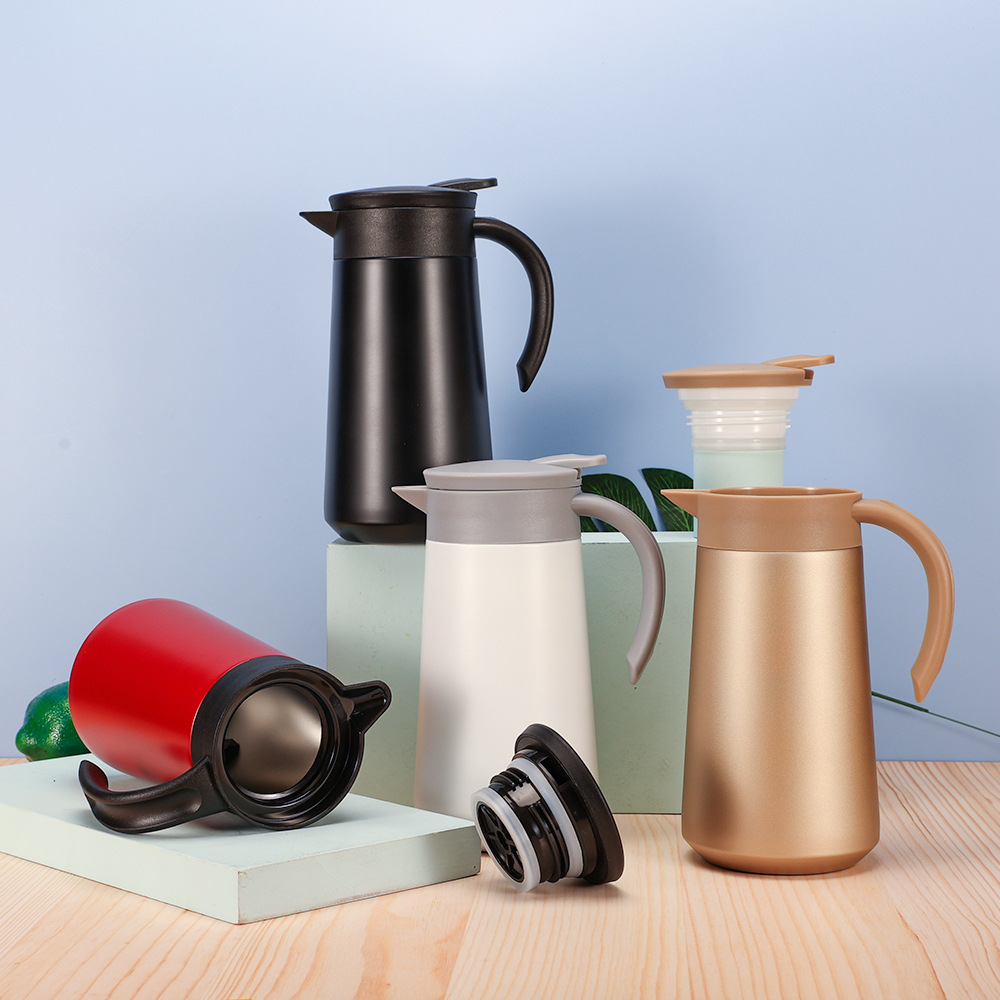
5. डेंट, वेल्ड डिफेक्ट और डायमेंशनल नॉनकन्फॉर्मेंस
आउटर शेल पर डेंट आमतौर पर प्रोडक्शन लाइन पर या पैकिंग के दौरान रफ हैंडलिंग से होते हैं। इनर लाइनर में वेल्ड डिफेक्ट (पिनहोल, क्रैक, असमान सीम) देखने में कठिन लेकिन अधिक गंभीर हैं।
- विज़ुअल चेक: डायरेक्शनल लाइट में हर सैंपल यूनिट घुमाएं। साइड-लाइटिंग उथले डेंट प्रकट करती है जो फ्लैट लाइटिंग में छुट जाते हैं।
- डायमेंशनल चेक: स्पेक शीट (mm में) के विरुद्ध ऊंचाई, बॉडी व्यास, मुंह व्यास और बेस व्यास मापें।
- वेट टॉलरेंस: सैंपल यूनिट तौलें। स्पेक से लगातार कम वज़न पतले-गेज स्टील शीट का संकेत हो सकता है।
- AQL वर्गीकरण: Major (सामान्य व्यूइंग दूरी पर दृश्यमान डेंट, वेल्ड क्रैक); Minor (बहुत उथली सरफेस स्क्रैच)।
6. गंध (इनर लाइनर या लिड से ऑफ-गैसिंग)
नए स्टेनलेस-स्टील वॉटर बोतलों के लिए "अजीब गंध" सबसे आम उपभोक्ता शिकायतों में से एक है, और यह लगभग हमेशा दो स्रोतों में से एक से आती है: इनर लाइनर पर बचे हुए मैन्युफैक्चरिंग लुब्रिकेंट, या प्लास्टिक लिड घटकों से ऑफ-गैसिंग।
- स्निफ टेस्ट: एक सैंपल यूनिट को गर्म पानी (60–70 °C) से भरें, 5 मिनट के लिए सील करें, खोलें और तुरंत सूंघें। मेटैलिक या पेट्रोलियम गंध इनर लाइनर की अपर्याप्त पोस्ट-वेल्ड क्लीनिंग इंडिकेट करती है।
- मटेरियल डिक्लेरेशन: सभी प्लास्टिक और रबर लिड घटकों के लिए मटेरियल सर्टिफिकेट मांगें। PP (पॉलीप्रोपाइलीन) और फूड-ग्रेड सिलिकॉन स्वीकार्य हैं; रीसाइकल्ड या अनस्पेसिफाइड प्लास्टिक नहीं। US मार्केट के लिए, कन्फर्म करें कि लिड FDA-कम्प्लायंट और BPA-फ्री है।
- AQL वर्गीकरण: Major (स्निफ टेस्ट में डिटेक्टेबल गंध); Critical अगर किसी प्रतिबंधित पदार्थ से संदूषण का संदेह हो।
इंसुलेटेड ड्रिंकवेयर के लिए AQL रेफरेंस टेबल
अपने डिफॉल्ट के रूप में ISO 2859-1 (ANSI/ASQ Z1.4) Inspection Level II का उपयोग करें। नीचे की टेबल छह डिफेक्ट कैटेगरी को उनके वर्गीकरण और 1,000-यूनिट लॉट के लिए स्टैंडर्ड सैंपल साइज़ से मैप करती है।
| डिफेक्ट | वर्गीकरण | अनुशंसित AQL | सैंपल साइज़ (1,000 यूनिट, Level II) | Accept / Reject |
|---|---|---|---|---|
| स्टील सब्सटिट्यूशन (304 के बजाय 201) | Critical | 0 (शून्य सहनशीलता) | टार्गेटेड XRF — AQL-सैंपल नहीं | 0 / 1 |
| वैक्यूम / इंसुलेशन फेलियर | Major | 1.5 | ~80 यूनिट | 3 / 4 |
| लीकिंग लिड (स्पिल-प्रूफ क्लेम) | Critical | 1.5 | ~80 यूनिट | 3 / 4 |
| लीकिंग लिड (जेनरल यूज़) | Major | 2.5 | ~80 यूनिट | 5 / 6 |
| डेंट, वेल्ड डिफेक्ट, डायमेंशनल फेल | Major | 2.5 | ~80 यूनिट | 5 / 6 |
| कोटिंग चिप / एडहेशन फेलियर | Major | 2.5 | ~80 यूनिट | 5 / 6 |
| Pantone रेफरेंस के विरुद्ध कलर मिसमैच | Major | 2.5 | ~80 यूनिट | 5 / 6 |
| गंध (स्निफ टेस्ट में डिटेक्टेबल) | Major | 2.5 | ~80 यूनिट | 5 / 6 |
| मामूली कॉस्मेटिक स्क्रैच, पैकेजिंग वेरिएशन | Minor | 4.0 | ~80 यूनिट | 10 / 11 |
प्रोडक्शन शुरू होने से पहले डिफेक्ट वर्गीकरण लिखित में स्पेसिफाई करें — अपने परचेज़ ऑर्डर और इंस्पेक्शन ब्रीफ में।
फैक्ट्री-बनाम-ट्रेडिंग-कंपनी रिस्क मल्टीप्लायर
ऊपर के सभी QC चेक मानते हैं कि आपका प्रोडक्शन फ्लोर के साथ सीधा संचार है। अगर आप एक ट्रेडिंग कंपनी के ज़रिए सोर्स कर रहे हैं — जो Alibaba "फैक्ट्रियों" का एक महत्वपूर्ण हिस्सा है — तो आप वह चैनल खो देते हैं। ट्रेडिंग कंपनी आपका ऑर्डर एक कॉन्ट्रैक्ट मैन्युफैक्चरर के पास रखती है, 10–20% मार्जिन जोड़ती है, और बैच फेल होने पर आपके इंस्पेक्शन क्राइटेरिया को लागू करने की सीमित शक्ति है।
हमारा लेख देखें: ड्रिंकवेयर के लिए फैक्ट्री बनाम ट्रेडिंग कंपनी यह वेरीफाई करने से पहले कि आप ऑर्डर करने के लिए प्रतिबद्ध हों।
कम्प्लायंस डिफेक्ट: वह फेलियर मोड जो खरीदार सबसे अधिक मिस करते हैं
फिज़िकल डिफेक्ट से परे, इंसुलेटेड बोतलें रेगुलेटरी स्तर पर विफल हो सकती हैं:
- मिसिंग या नकली टेस्ट रिपोर्ट: Amazon ने सितंबर 2024 से ड्रिंकवेयर लिस्टिंग के लिए कम्प्लायंस डॉक्युमेंटेशन (FDA, LFGB, CA Prop 65) अनिवार्य किया है। देखें: सप्लायर टेस्ट रिपोर्ट कैसे वेरीफाई करें।
- Prop 65 उल्लंघन: California Prop 65 में थ्रेशोल्ड स्तरों से ऊपर लेड, निकेल या अन्य लिस्टेड पदार्थ वाले प्रोडक्ट के लिए चेतावनी ज़रूरी है।
- कोटिंग में PFAS: कई US राज्य कंज़्यूमर प्रोडक्ट में PFAS पर प्रतिबंध लगा रहे हैं, 2026 से व्यापक एनफोर्समेंट।
- EU खरीदारों के लिए REACH / LFGB: EU खरीदारों को फूड-कॉन्टैक्ट मटेरियल के लिए LFGB माइग्रेशन टेस्टिंग और प्रतिबंधित पदार्थों के लिए REACH कम्प्लायंस चाहिए।
मार्केट के अनुसार कम्प्लायंस ज़रूरतों के पूर्ण ब्रेकडाउन के लिए देखें: ड्रिंकवेयर कम्प्लायंस: Amazon, FDA, LFGB, Prop 65 और PFAS।
MUCHUANG प्रोडक्शन में इन डिफेक्ट को कैसे संबोधित करता है
MUCHUANG में, प्रत्येक प्रोडक्शन रन तीन इंस्पेक्शन स्टेज से गुज़रता है: वेल्डिंग और वैक्यूम-सीलिंग स्टेशनों पर इन-प्रोसेस चेक, पैकिंग से पहले फिनिश्ड यूनिट पर 100% इंसुलेशन टेस्ट (हॉट-वॉटर आउटर-वॉल तापमान चेक), और हमारे स्टैंडर्ड डिफेक्ट वर्गीकरण टेबल का उपयोग करके एक फॉर्मल AQL प्री-शिपमेंट इंस्पेक्शन। स्टील ग्रेड हर प्रोडक्शन बैच के लिए मिल सर्टिफिकेट द्वारा डॉक्युमेंटेड है, और थर्ड-पार्टी XRF टेस्टिंग अनुरोध पर उपलब्ध है। हम इन-हाउस मैन्युफैक्चर करते हैं — कोई आउटसोर्स कॉन्ट्रैक्ट लाइन नहीं। इंसुलेटेड बोतल रेंज ब्राउज़ करें या अपने ऑर्डर के लिए QC डॉक्युमेंटेशन ज़रूरतों पर चर्चा के लिए हमसे संपर्क करें।
अक्सर पूछे जाने वाले सवाल
पूरी शिपमेंट शिप होने से पहले मैं कैसे जानूं कि मेरी इंसुलेटेड बोतल ने अपना वैक्यूम खो दिया है?
हॉट-वॉटर आउटर-वॉल तापमान टेस्ट का उपयोग करें: एक सैंपल बोतल को उबलते पानी से भरें, सील करें, और 5–10 मिनट बाद आउटर वॉल तापमान मापें। AQL 2.5 का उपयोग करके पैकिंग से पहले सांख्यिकीय रूप से सैंपल किए गए बैच पर यह टेस्ट लागू करें।
इंसुलेटेड बोतल इंस्पेक्शन के लिए मुझे कौन सा AQL लेवल उपयोग करना चाहिए?
Critical डिफेक्ट (स्टील सब्सटिट्यूशन, कन्फर्म्ड लीक) के लिए AQL 1.5 और Major फंक्शनल और अपीयरेंस डिफेक्ट (इंसुलेशन फेलियर, जेनरल लिड लीक, कोटिंग एडहेशन फेलियर, डेंट, कलर मिसमैच) के लिए AQL 2.5 उपयोग करें। Minor कॉस्मेटिक मुद्दों के लिए AQL 4.0।
क्या मैं सामान्य प्री-शिपमेंट इंस्पेक्शन के दौरान 201 स्टील सब्सटिट्यूशन का पता लगा सकता हूं?
एक स्टैंडर्ड PSI स्टील ग्रेड को निश्चित रूप से कन्फर्म नहीं कर सकती। निर्णायक टेस्ट एक्रेडिटेड लैब में XRF स्पेक्ट्रोमेट्री है। नए या ऑडिट न किए गए सप्लायर के साथ काम करते समय XRF टेस्टिंग के लिए प्रति सैंपल $80–$150 बजट करें।
मेरे बल्क ऑर्डर में अप्रूव्ड सैंपल से अलग लिड फिट क्यों है?
लिड फिट सैंपल और बल्क के बीच अलग होती है क्योंकि सैंपल अक्सर एक कुशल तकनीशियन द्वारा हाथ से पार्ट्स मैच करके असेंबल किए जाते हैं, जबकि बल्क असेंबली उस दिन टूलिंग से आने वाले किसी भी लिड बैच का उपयोग करती है। लिड मोल्ड अक्सर SKU और फैक्ट्रियों में शेयर किए जाते हैं, और मोल्ड वियर डायमेंशनल ड्रिफ्ट का कारण बनता है।
जो शिपमेंट प्री-शिपमेंट इंस्पेक्शन में फेल हो जाती है उसे कैसे संभालें?
बैलेंस पेमेंट रिलीज़ न करें। इंस्पेक्शन रिपोर्ट और परचेज़ ऑर्डर शर्तों का संदर्भ देते हुए एक फॉर्मल रिजेक्शन नोटिस जारी करें। 2025 टैरिफ लेवल के साथ रिटर्न फ्रेट को आर्थिक रूप से अव्यावहारिक बनाते हुए, शिपमेंट से पहले फेलियर पकड़ना ही एकमात्र व्यावहारिक रणनीति है।