أبرز عيوب الزجاجات العازلة وكيف تكتشفها قبل الشحن
أكثر عيوب الزجاجات العازلة شيوعاً — التسرّب وفقدان الفراغ والطلاء المتشقق واستبدال الفولاذ وعدم ملاءمة الغطاء والخبط والرائحة — نادراً ما تظهر في عيّنتك الذهبية. إنها تنشأ في دورة الإنتاج الجملي. معرفة فحوصات ضبط الجودة ومستويات AQL التي تكشف كل عيب هي الفرق بين طلبية أولى مربحة وحاوية مليئة بالمرتجعات.
لماذا تظهر العيوب في الإنتاج الجملي لا في العيّنات
ينحرف الإنتاج الجملي عن العيّنة المعتمدة لأن الاثنين يُصنعان بطريقة مختلفة. عيّنتك الذهبية شطّبها فنيٌّ ماهر؛ بينما يخرج الإنتاج الجملي من خط إنتاج عالي السرعة حيث يلمس عامل كل زجاجة لثوانٍ لا لدقائق. هذا النمط — المعروف أحياناً بـتراجع الجودة — ليس عرضياً؛ بل هو بنيوي.
عدة عوامل تُفاقم المخاطر في أدوات الشرب العازلة تحديداً:
- تعقيد التجميع. تتكوّن الزجاجة العازلة بالفراغ من بطانة داخلية وقوقعة خارجية ولحام فتحة فراغ وغطاء مُخيوط — أربع نقاط فشل مستقلة يجب أن تؤدي جميعها بشكل صحيح.
- دافع استبدال المادة. يكلّف الفولاذ 304 أكثر بنحو 30–40% من الفولاذ 201. كشف تحقيق CCTV عن 19 علامة تجارية لأواني التخزين الحراري بمستويات منغنيز تبلغ ستة أضعاف الحد الآمن — وهي علامة الفولاذ 201 المباع بوصفه 304. يحدث الاستبدال بعد اعتماد العيّنة، حين لا يُراقب المشترون.
- تعقيد التزيين. الطلاء البودري والحفر بالليزر والطبع بالأشعة فوق البنفسجية والحريرية كل منها يُضيف خطوة عملية يمكن أن ينزلق فيها الجودة — وكثيراً ما يُعالَج المشترون الصغار في نهاية المطاف، على خطوط متعبة بالفعل من دورة إنتاج لعميل أكبر.
فهم التصنيف الضريبي للعيوب قبل كتابة قائمة فحصك هو الخطوة العملية الأولى.
العيوب الست الأكثر شيوعاً في الزجاجات العازلة
1. فقدان الفراغ (فشل العزل)
فقدان الفراغ هو أشد عيوب الوظيفة خطورة: لا تكون الفجوة في جدار الزجاجة المزدوج مُفرَّغة بعد الآن، فتفقد الزجاجة خاصيتها العازلة كلياً. مشترٍ يملأها بالقهوة الساخنة ويجدها باردة في 30 دقيقة لن يُعيد الطلب أبداً.
الأسباب الجذرية تشمل لحاماً رديئاً أو سدادة فراغ غير محكمة، أو شقوقاً دقيقة في لحام البطانة الداخلية، أو تلفاً أثناء النقل. فقدان الفراغ غير مرئي بالعين — لا تستطيع رؤيته في فحص خط التعبئة. الطريقة الوحيدة المعتمدة للكشف هي اختبار العزل بالماء الساخن أو المثلّج على عيّنة إحصائية من الوحدات المكتملة قبل التعبئة.
- الاختبار الميداني (ساخن): اmlأ بالماء المغلي، أغلق، وقِس درجة حرارة الجدار الخارجي بعد 5–10 دقائق. يجب أن تقرأ الزجاجة المختومة بالفراغ أقل من 40 °C على السطح الخارجي.
- الاختبار الميداني (بارد): اmlأ بماء مثلّج. يجب ألا يتشكّل أي تكثّف على الجدار الخارجي عند درجة الحرارة المحيطة في غضون 10 دقائق.
- تصنيف AQL: عيب رئيسي. طبّق AQL 1.5 لخطر سلامة ملامسة الطعام؛ وAQL 2.5 لفشل العزل الوظيفي.
للاطلاع على تفصيل تقني لاختبارات سلامة الفراغ، راجع دليلنا حول اختبار أداء العزل بالفراغ.
2. تسرّب الأغطية والمغلقات
غطاء مُتسرّب هو العيب الرئيسي الأكثر تكراراً في شحنات أدوات الشرب — ومن أكبر دوافع التقييمات النجمة الواحدة على Amazon. قد يجتاز الغطاء اختبار الوضع العمودي الساكن لكنه يتسرّب في ظروف ديناميكية: مائلاً في حقيبة، أو مقلوباً، أو تحت ضغط جانبي خفيف.
الأسباب الجذرية تشمل قوالب مشتركة بالية (كثيراً ما تُستخدم قوالب الأغطية عبر مصانع ووحدات حفظ متعددة)، وخطأ في خيط الغطاء مقارنةً بفم الزجاجة، وحلقة سيليكون غائبة أو موضوعة بشكل خاطئ، وآليات قلابة أو قشّة لا تُغلق بالكامل تحت قوة اعتيادية.
- اختبار التسرب القياسي: اmlأ الزجاجة إلى 90% من سعتها، أغلق بالغطاء، اقلبها لمدة 30 ثانية مع تطبيق ضغط جانبي معتدل على الجسم. صفر تسرب مسموح عند واجهة الغطاء-الزجاجة.
- أغطية القشة والقلاب: اطلب من وكالة الفحص بروتوكول هواء مضغوط — الانقلاب السلبي يُغفل تسربات دقيقة في حلقات السيليكون.
- فحص المواصفة: تحقق من القطر الداخلي للفم (بالمليمتر لا بالأوقية) مقابل صحيفة مواصفاتك. انحراف 2 مم في القطر الداخلي قد يعني غطاءً فضفاضاً بما يكفي ليتسرب أو ضيقاً بما يكفي لينزلق عند الفتح.
- تصنيف AQL: عيب رئيسي، AQL 2.5 كحد أدنى. إن كانت الزجاجة مسوّقة كمانعة للانسكاب، عاملها كحرجة (AQL 1.5).
3. استبدال الفولاذ (201 يُباع بوصفه 304)
استبدال الفولاذ ليس عيب تصنيع اعتيادياً — إنه احتيال متعمّد، لكنه يستحق الإدراج هنا لأنه يُسبّب ضرراً حقيقياً (تسرّب المنغنيز والصدأ المبكّر) ويوقفه ضمن عملية ضبط الجودة لديك قبل وصوله إلى المستهلكين.
الفولاذ 201 سبيكة عالية المنغنيز تصدأ بشكل أسرع وتتسرّب بمستويات أعلى من الفولاذ 304 الآمن للأغذية. اختبار المغناطيس يوفّر علامة أولية: الفولاذ 304 ضعيف المغناطيسية أو غير مغناطيسي، بينما يُظهر 201 جذباً مغناطيسياً أقوى. هذه أداة فرز لا اختبار قاطع.
- الفحص في الموقع: اختبار المغناطيس على البطانة الداخلية (بعد فتح وحدة واحدة) مع الفحص البصري لبقع الصدأ المبكّرة أو التنقير في منطقة اللحام.
- الاختبار القاطع: XRF (التفلور بالأشعة السينية) في مختبر طرف ثالث. التكلفة نحو $80–150 للعيّنة. إلزامي إن كنت تستورد من مورد جديد غير مُدقَّق أو إن بدا السعر منخفضاً بشكل غير اعتيادي للفولاذ 304 المُدّعى.
- تصنيف AQL: عيب حرج. تسامح صفري. أي استبدال مؤكد يُعدّ مسوّغاً لرفض الدفعة بأكملها.
للاطلاع على بروتوكول التحقق الكامل، راجع مقالتنا حول كيفية التحقق من الفولاذ 304 وتجنب عملية الاحتيال بالفولاذ 201.
4. تشقق الطلاء والبقع الرقيقة وعدم مطابقة اللون
الطلاء البودري وطلاء الرذاذ وأنماط الطلاء المشابهة هي أكثر مؤشرات الجودة البصرية وضوحاً — وتنحرف عن مظهر العيّنة في الدفعات الجملية أكثر من أي خاصية أخرى تقريباً. سرعات الخط العالية تعني متوسط سُمك أقل، مما يعني ظهور التشقق أسرع في الاستخدام الفعلي.
عيوب بعينها يجب الفحص عنها:
- البقع الرقيقة عند خط اللحام وقاعدة الزجاجة: هذه المناطق تتلقى تغطية رش أقل على الخطوط الآلية وتتشقق أولاً.
- عدم مطابقة اللون مع مرجع Pantone: تأكد من كتابة رمز Pantone في أمر الشراء لا وصفه شفهياً فقط. "الأخضر الحكيمي" يعني أشياء مختلفة لأناس مختلفين.
- محاذاة الشعار والنزيف عند الحواف: افحص موضع الشعار مقابل ملف الرسم المعتمد. الشعارات خارج المركز أو النازفة عيب رئيسي في الطلبيات ذات العلامات التجارية.
- اختبار الالتصاق: اختبار الشريط بالشبكة وفق ASTM D3359 على 3 إلى 5 وحدات لكل دفعة. يجب ألا يرتفع الطلاء عند الحواف المقطوعة.
- علامة تحذير PFAS: إن كانت سوقك تشترط طلاءات خالية من PFAS (عدة ولايات أمريكية تُلزم بذلك من 2026)، اطلب صحيفة MSDS لمادة الطلاء عند الفحص. التطمينات الشفهية لا تكفي — راجع دليلنا حول طلاء البودر الآمن من PFAS للأكواب.
- تصنيف AQL: رئيسي (عدم مطابقة اللون، البقع الرقيقة المؤثرة على المتانة)؛ ثانوي (اختلاف طفيف في اللون ضمن التفاوت المُحدد، خدشة صغيرة منفردة).
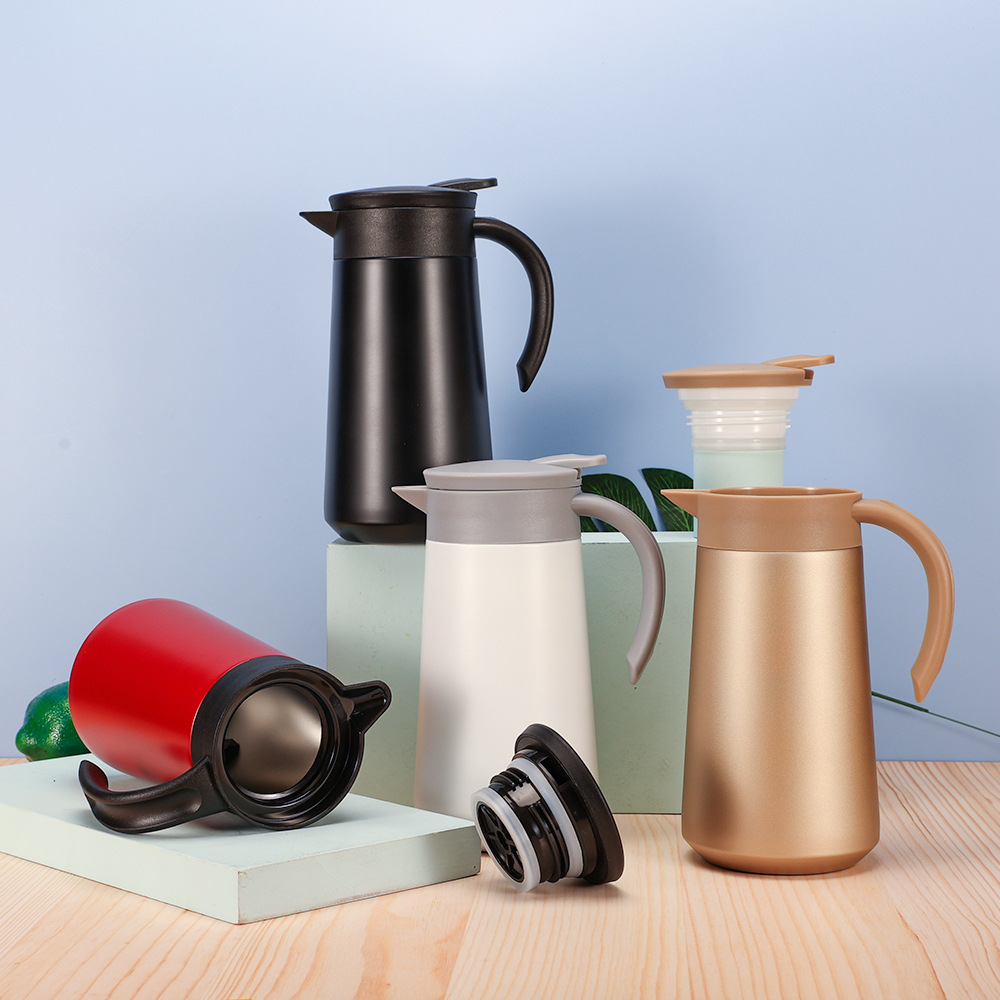
5. الخبط وعيوب اللحام وعدم المطابقة الأبعادية
الخبط في القوقعة الخارجية يُسبّبه عادةً التعامل الخشن على خط الإنتاج أو أثناء التعبئة — أحياناً من وضعها في كراتين بدون فواصل داخلية. عيوب اللحام (ثقوب، تشققات، خياطات غير منتظمة) في البطانة الداخلية أصعب رؤيةً لكن أشد خطورةً: فهي تُضعف سلامة الهيكل وسلامة الطعام معاً.
- الفحص البصري: دوّر كل وحدة مأخوذة من العيّنة تحت ضوء اتجاهي. الإضاءة الجانبية تكشف خبطاً ضحلاً يُغفله الضوء المتساوي. افحص خطوط اللحام على البطانة الداخلية بمصباح يدوي قبل التجميع النهائي إن أمكن الوصول خلال زيارة الإنتاج.
- الفحص الأبعادي: قِس الارتفاع وقطر الجسم وقطر الفم وقطر القاعدة مقابل صحيفة المواصفات (بالمليمتر). تأكد من أن الزجاجة تلائم حامل كوب قياسي 73 مم إن كان ذلك ادعاء منتجك.
- تفاوت الوزن: زن الوحدات المأخوذة من العيّنة. زجاجة أخفّ من المواصفة باستمرار قد تُشير إلى صفيح فولاذ أرقّ — وهذا في بعض الأحيان مؤشر على تخفيض درجة الفولاذ أيضاً.
- تصنيف AQL: رئيسي (خبط مرئي من مسافة المشاهدة الاعتيادية، تشقق في اللحام، انحراف أبعادي مؤثر على ملاءمة الغطاء أو حامل الكوب)؛ ثانوي (خدشة سطحية ضحلة جداً، اختلاف طفيف في الخيط).
6. الرائحة (تسرّب غازي من البطانة الداخلية أو الغطاء)
تعدّ شكوى "الرائحة الغريبة" من أكثر شكاوى المستهلكين شيوعاً في زجاجات الماء الفولاذية الجديدة، وتنشأ دائماً تقريباً من أحد مصدرين: بقايا مواد تشحيم تصنيعية على البطانة الداخلية، أو تسرّب غازي من مكوّنات الغطاء البلاستيكية (السيليكون أو PP أو حلقات المطاط).
- اختبار الشم: اmlأ وحدة عيّنة بماء ساخن (60–70 °C)، أغلق لمدة 5 دقائق، افتح وشمّ فوراً. رائحة معدنية أو بترولية تُشير إلى تنظيف غير كافٍ لما بعد اللحام للبطانة الداخلية. رائحة تشبه البلاستيك تُشير إلى الغطاء أو مادة الحلقة.
- إعلان المادة: اطلب شهادة مادة لجميع مكوّنات الغطاء البلاستيكية والمطاطية. PP (البولي بروبيلين) والسيليكون الآمن للأغذية مقبولان؛ البلاستيك المُعاد تدويره أو غير المُحدد غير مقبول. للسوق الأمريكية، تأكد من امتثال الغطاء لـ FDA وخلوّه من BPA.
- فحص المعالجة: تُعالج بعض المصانع الرائحة بخبز الزجاجات المكتملة — قد يكون فعّالاً لكن لا يعوّض عن ممارسات التصنيع النظيفة. اسأل عمّا إن كانت دفعة الإنتاج شُطّفت بمحلول حمض ستريك آمن للأغذية بعد التجميع.
- تصنيف AQL: رئيسي (رائحة مكتشفة في اختبار الشم)؛ حرج إن اشتبه بتلوث من مادة محظورة (يستلزم تأكيداً مختبرياً).
جدول AQL المرجعي لأدوات الشرب العازلة
استخدم ISO 2859-1 (ANSI/ASQ Z1.4) مستوى الفحص II كإعداد افتراضي. الجدول أدناه يُعيّن الفئات الست للعيوب إلى تصنيفاتها وحجم العيّنة القياسي لدفعة 1,000 وحدة.
| العيب | التصنيف | AQL الموصى به | حجم العيّنة (1,000 وحدة، مستوى II) | قبول / رفض |
|---|---|---|---|---|
| استبدال الفولاذ (201 بدل 304) | حرج | 0 (تسامح صفري) | XRF مُستهدَف — لا يُعيَّن بـ AQL | 0 / 1 |
| فقدان الفراغ / فشل العزل | رئيسي | 1.5 | ~80 وحدة | 3 / 4 |
| تسرّب الغطاء (ادعاء مانع الانسكاب) | حرج | 1.5 | ~80 وحدة | 3 / 4 |
| تسرّب الغطاء (الاستخدام العام) | رئيسي | 2.5 | ~80 وحدة | 5 / 6 |
| خبط، عيوب لحام، فشل أبعادي | رئيسي | 2.5 | ~80 وحدة | 5 / 6 |
| تشقق الطلاء / فشل الالتصاق | رئيسي | 2.5 | ~80 وحدة | 5 / 6 |
| عدم مطابقة اللون مع مرجع Pantone | رئيسي | 2.5 | ~80 وحدة | 5 / 6 |
| الرائحة (مكتشفة في اختبار الشم) | رئيسي | 2.5 | ~80 وحدة | 5 / 6 |
| خدوش زخرفية طفيفة، اختلاف في التغليف | ثانوي | 4.0 | ~80 وحدة | 10 / 11 |
حدّد تصنيفات العيوب كتابةً — في أمر الشرائك وفي موجز الفحص — قبل بدء الإنتاج. مفتش يصل بدون وثيقة إحاطة سيطبّق المعايير الافتراضية لوكالته، التي قد لا تتطابق مع توقعات سوقك أو ادعاءات قائمة Amazon الخاصة بك.
عامل مضاعفة المخاطر: المصنع مقابل شركة التجارة
جميع فحوصات ضبط الجودة أعلاه تفترض أن لديك تواصلاً مباشراً مع أرضية الإنتاج. إن كنت تستورد عبر شركة تجارية — وهو ما يصفه جزء كبير من "المصانع" على Alibaba — تفقد هذه القناة. تُقدّم شركة التجارة طلبيتك لمصنّع تعاقدي، تُضيف هامش 10–20%، ولا تملك إلا نفوذاً محدوداً لتطبيق معايير فحصك أو تعليمات إعادة العمل حين تفشل دفعة ما.
حين تحدث عيوب، تتأخر شركات التجارة كثيراً أو تُلقي المسؤولية على غيرها أو تختفي. فهم ما إذا كان موردك مصنعاً فعلياً أم وسيطاً شرط أساسي لتطبيق فعّال لضبط الجودة. توضح مقالتنا حول المصنع مقابل شركة التجارة لأدوات الشرب كيفية التحقق من هذا قبل الالتزام بطلبية.
عيوب الامتثال: نمط الفشل الذي يُغفله المشترون أكثر
بعيداً عن العيوب المادية، يمكن أن تفشل الزجاجات العازلة على المستوى التنظيمي بطرق غير مرئية في PSI اعتيادي. هذه عيوب على مستوى المنتج بالنسبة لسوقك المستهدفة:
- تقارير اختبار غائبة أو مزوّرة: اشترطت Amazon وثائق الامتثال (FDA وLFGB وCA Prop 65) لأدوات الشرب منذ سبتمبر 2024. الشهادات المُعاد تدويرها أو المزوّرة من مختبرات غير معتمدة شائعة. تحقق من إصدار التقارير من مختبرات معتمدة (SGS وBureau Veritas وIntertek وTÜV) ومن أن التقرير يُسمّي طراز منتجك ومواده تحديداً — لا تقريراً عاماً للفئة. راجع دليلنا حول كيفية التحقق من صحة تقارير اختبار المورد.
- انتهاكات Prop 65: تستلزم Prop 65 في كاليفورنيا تحذيرات للمنتجات التي تحتوي على الرصاص أو النيكل أو غيرهما من المواد المدرجة فوق العتبات. الرصاص في اللحام عند فتحة الفراغ وهجرة النيكل من البطانة الداخلية هما أكثر المشغّلات شيوعاً لأدوات الشرب. تأكد من أن تقرير الاختبار يغطي اختبار الهجرة لا مجرد الإعلان عن المادة.
- PFAS في الطلاءات: تُقيّد عدة ولايات أمريكية PFAS في منتجات المستهلكين مع توقع تطبيق أوسع من 2026. إن كان منتجك يستخدم أي طلاء غير لاصق أو مقاوم للماء، احصل على تقرير اختبار PFAS محدد الآن.
- REACH / LFGB للمشترين الأوروبيين: يحتاج المشترون الأوروبيون إلى اختبار هجرة LFGB لمواد ملامسة الطعام (البطانة الداخلية والغطاء والحلقة) وامتثال REACH للمواد المحظورة. هذه تقارير اختبار منفصلة عن وثائق امتثال FDA.
للاطلاع على تفصيل كامل لمتطلبات الامتثال حسب السوق، راجع مقالتنا حول امتثال أدوات الشرب: Amazon وFDA وLFGB وProp 65 وPFAS.
كيف تعالج MUCHUANG هذه العيوب في الإنتاج
في MUCHUANG، تمرّ كل دورة إنتاج بثلاث مراحل فحص: فحوصات داخل الإنتاج عند محطتي اللحام وختم الفراغ، واختبار عزل 100% على الوحدات المكتملة قبل التعبئة (فحص درجة حرارة الجدار الخارجي بالماء الساخن)، وفحص رسمي قبل الشحن بـ AQL باستخدام جدول تصنيف العيوب القياسي لدينا. توثّق شهادة المصفحة درجة الفولاذ لكل دفعة إنتاج، واختبار XRF من طرف ثالث متاح عند الطلب للمشترين الذين يشترطونه. ننتج داخلياً — لا خطوط تعاقدية خارجية — مما يعني أن فريق ضبط الجودة لدينا يملك السلطة المباشرة لإيقاف أو إعادة معالجة دفعة دون التفاوض عبر وسيط. استعرض مجموعة زجاجاتنا العازلة أو تواصل معنا لمناقشة متطلبات وثائق ضبط الجودة الخاصة بطلبيتك.
الأسئلة الشائعة
كيف أعرف إن كانت زجاجتي العازلة فقدت فراغها قبل شحن الدفعة كاملها؟
استخدم اختبار درجة حرارة الجدار الخارجي بالماء الساخن: اmlأ عيّنة زجاجة بالماء المغلي، أغلق، وقِس درجة حرارة الجدار الخارجي بعد 5–10 دقائق. يجب أن تبقى الزجاجة المختومة بالفراغ أقل من 40 °C على الجانب الخارجي. بديلاً لذلك، اmlأ بماء مثلّج — يجب ألا يظهر أي تكثّف على السطح الخارجي في غضون 10 دقائق عند درجة الحرارة المحيطة. طبّق هذا الاختبار على دفعة مأخوذة من العيّنة إحصائياً باستخدام AQL 2.5 قبل التعبئة.
ما مستوى AQL الواجب استخدامه لفحوصات الزجاجات العازلة؟
استخدم AQL 1.5 للعيوب الحرجة (استبدال الفولاذ، التسرّبات المؤكدة على الأغطية المانعة للانسكاب، الإخفاقات المتعلقة بالسلامة) وAQL 2.5 للعيوب الرئيسية الوظيفية والمظهرية (فشل العزل، التسرّبات العامة في الغطاء، فشل التصاق الطلاء، الخبط، عدم مطابقة اللون). تستخدم المسائل الزخرفية الثانوية AQL 4.0. حدّد جميع التصنيفات في أمر شرائك وموجز الفحص قبل بدء الإنتاج.
هل يمكنني اكتشاف استبدال الفولاذ 201 خلال فحص اعتيادي قبل الشحن؟
PSI قياسي لا يستطيع تأكيد درجة الفولاذ بشكل قاطع — يستطيع المفتشون إجراء اختبار المغناطيس والتحقق من بقع الصدأ المبكّرة أو التنقير، مما يُشير إلى احتمال الاستبدال، لكن الاختبار القاطع هو XRF في مختبر معتمد. خصّص $80–150 للعيّنة لاختبار XRF عند التعامل مع مورد جديد غير مُدقَّق. هذه التكلفة ضئيلة مقارنةً بمسؤولية شحن فولاذ غير آمن للأغذية إلى المستهلكين.
لماذا يختلف ملاءمة الغطاء في طلبيتي الجملية عن العيّنة التي اعتمدتها؟
تنحرف ملاءمة الغطاء بين العيّنة والإنتاج الجملي لأن العيّنات يُجمّعها في الغالب فنيٌّ ماهر يُطابق الأجزاء يدوياً، بينما يستخدم التجميع الجملي أيّة دفعة غطاء تخرج من القوالب في ذلك اليوم. كثيراً ما تُشارك قوالب الأغطية عبر وحدات حفظ ومصانع متعددة، وتسبّب بلى القالب انجرافاً أبعادياً. حدّد تفاوت قطر الفم بالمليمتر في أمر شرائك، وأكّده في الفحص قبل الشحن، واطلب اختبار عزم الغطاء إن كنت تطرح منتجاً مانعاً للتسرّب.
كيف أتعامل مع شحنة فشلت في الفحص قبل الشحن؟
لا تُطلق دفعة الرصيد. أصدر إشعار رفض رسمياً يستشهد بتقرير الفحص وشروط أمر شرائك. النتائج الشائعة: يُعيد المصنع تشغيل الوحدات المعيبة (أضف 5–10 أيام)، يستبدل الدفعة الفاشلة (أضف 15–25 يوماً)، أو تتفاوض على تخفيض سعر للعيوب الثانوية الزخرفية التي تقرر قبولها. مع مستويات التعريفة الجمركية لعام 2025 التي تجعل شحن البضاعة مرة أخرى غير مجدٍ اقتصادياً، فاكتشاف الإخفاقات قبل الشحن هو الاستراتيجية العملية الوحيدة.