OEM बनाम ODM वॉटर बॉटल: आपके ब्रांड के लिए कौन सा सही है
OEM का मतलब है factory आपके design पर build करती है; ODM का मतलब है आप factory के existing model को brand करते हैं। अधिकतर new importers और Amazon sellers के लिए, ODM एक तेज़, कम-जोखिम वाला starting point है — लेकिन एक बार जब आपके volumes custom tooling justify करें, तो OEM आपको एक ऐसा product देता है जिसे competitors आसानी से copy नहीं कर सकते। यहाँ बताया गया है कि कैसे decide करें कौन सा model अभी आपके brand के लिए fit है।
OEM और ODM water bottles में क्या अंतर है?
OEM (Original Equipment Manufacturer) का मतलब है आप design spec supply करते हैं और factory उसे manufacture करती है, आमतौर पर custom mold की जरूरत होती है। ODM (Original Design Manufacturer) का मतलब है factory design supply करती है — आप उनके existing shapes और capacities में से choose करते हैं, अपना logo और colors add करते हैं, और अपने brand के तहत market में जाते हैं।
यह distinction simple लगती है, लेकिन इसके cost, MOQ, lead time, IP ownership और quality problems में आप कितने exposed हैं, पर significant downstream effects हैं। कोई भी model universally better नहीं है; सही जवाब इस पर depend करता है कि आपका brand अपने lifecycle में कहाँ है।
| Factor | ODM (factory design, आपका brand) | OEM (आपका design, factory makes) |
|---|---|---|
| Tooling / mold cost | कोई नहीं — factory mold की मालिक है | $1,000–$25,000+ एक बार per mold |
| Typical MOQ | 300–1,000 units (logo-only) | 1,000–5,000 units (new mold) |
| Lead time (sampling) | 3–5 days (existing mold) | 15–25 days (new mold required) |
| Lead time (bulk) | 20–30 days | 30–45 days |
| Design exclusivity | कम — factory same shape दूसरों को बेचती है | अधिक — mold आपके spec से tied है |
| Customization depth | Logo, color, lid, packaging | Full shape, capacity, lid, material, texture |
| Capital at risk | Sample cost + first order | Mold fee + first order (mold fail होने पर non-refundable) |
| Mold का मालिक कौन? | Factory | Contested — contract wording पर depend करता है |
अधिकतर small buyers को ODM से क्यों शुरू करना चाहिए
ODM tooling fee eliminate करता है, sampling time कम करता है, और large capital commit करने से पहले market demand test करने देता है — brands के लिए सबसे important advantage जो प्रति वर्ष प्रति SKU 2,000 units से कम हैं।
कुछ practical कारण हैं जो buyers की उम्मीद से अधिक मायने रखते हैं:
- MOQ reality. Custom OEM molds आमतौर पर आपको 1,000–5,000 units minimum में lock करते हैं। Amazon पर unproven SKU या new gift catalogue के लिए, यह एक large inventory bet है। Existing mold पर ODM orders केवल logo customization के साथ 300–500 units से शुरू हो सकते हैं, जिससे आप कम exposure के साथ market-test कर सकते हैं।
- Decoration MOQ doubles करती है। ODM model पर UV printing, laser engraving या custom powder-coat color add करने के लिए typically नया mold नहीं चाहिए, लेकिन यह अक्सर per color या design minimum को 500–1,000 units तक raise कर देता है। इसे अपनी planning में factor करें।
- 2025 tariff pressure. US Section 301 और IEEPA layers के साथ landed costs में roughly 20–30% add होने के साथ (और de minimis May 2025 में ending), mold fees पर आप जो capital save करते हैं वह duties और compliance testing के लिए available रहती है। Chinese drinkware पर 2025 US tariffs का हमारा detailed breakdown देखें।
- Compliance testing per-product है। FDA food-contact certification, LFGB testing, California Prop 65 screening और — 2026 से — PFAS compliance आपके specific product से tied होनी चाहिए। Existing test reports के साथ reputable ODM supplier आपकी initial testing spend ($500–$1,500 per product) काफी reduce करता है। drinkware compliance requirements के बारे में अधिक जानें।
OEM investment के लायक कब है
OEM सही choice बन जाती है जब आपके brand को ऐसा product चाहिए जिसे competitors quickly replicate नहीं कर सकते, आपका volume tooling cost justify करता है, या आपके design में protect करने लायक functional IP है।
Specific triggers जो OEM में move को justify करते हैं:
- आप प्रति वर्ष एक SKU के 3,000–5,000 से अधिक units sell कर रहे हैं और एक shape चाहते हैं जिसके आप मालिक हों।
- आपका brand positioning एक specific lid mechanism, capacity या form factor पर depend करता है जो कोई ODM model provide नहीं करता।
- एक major retailer या licensing partner product shape पर exclusivity require करता है।
- आपने 2–3 seasons के लिए ODM model test किया है और अब एक differentiated version चाहते हैं जिसे factory आपके competitors को नहीं बेच सकती।
OEM के साथ critical watch-out mold ownership है। $1,000 से $25,000+ tooling fees standard हैं, लेकिन बहुत सी factories payment के बाद भी mold की physical possession retain करती हैं। Explicit contract language के बिना यह stating करते हुए कि mold आपकी है, आप इसे दूसरी factory में transfer कर सकते हैं, और factory इसे third parties के लिए goods produce करने के लिए use नहीं कर सकती, आप उसके सामने exposed हैं जिसे buyers "ghost shift" problem कहते हैं — आपका proprietary mold एक competitor के लिए रात को run हो रहा है। Tooling invoice pay करने से पहले mold ownership terms writing में हमेशा लें।
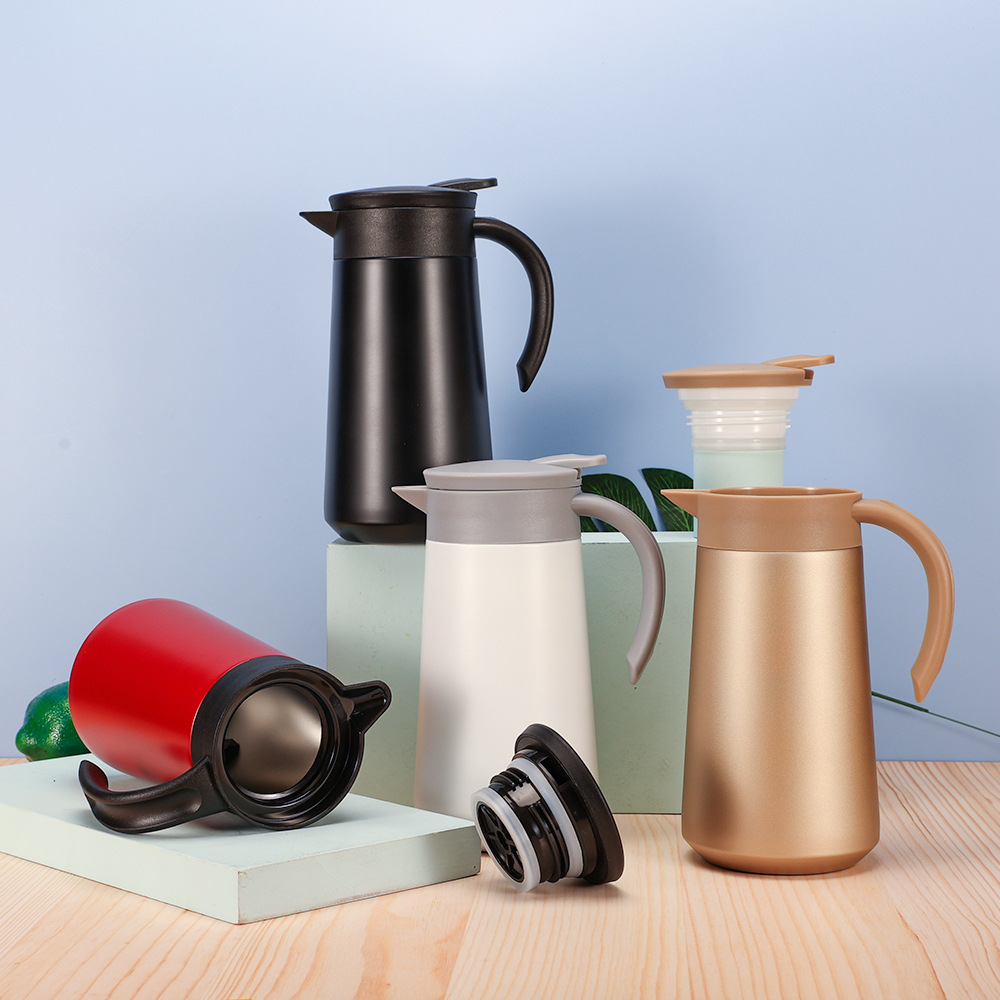
Quality risks जो दोनों models पर apply होते हैं
OEM vs ODM यह determine नहीं करता कि आपको quality problems encounter होंगी — supplier की factory practices करती हैं। दोनों models में same core risks हैं; उन्हें advance में जानना आपको अपने contract में सही safeguards build करने देता है।
201 vs 304 steel substitution
OEM या ODM order चाहे कुछ भी हो, हर product की inner liner के लिए written 304-grade specification पर जोर दें। एक CCTV investigation ने safety limits से six times ऊपर manganese levels वाले 201 stainless steel use करते हुए 19 thermos brands expose किए — buyers ने 304 samples approve किए थे और bulk में 201 receive किया। 201 और 304 identical दिखते हैं क्योंकि in-field verification के लिए factory पर chemical spot test या XRF gun की जरूरत होती है। 304 stainless steel कैसे verify करें और 201 substitution scam से कैसे बचें पर हमारी guide step-by-step यह cover करती है।
Golden sample से bulk तक quality fade
आप जो sample approve करते हैं वह अक्सर skilled technician द्वारा hand-finished होता है। Bulk production high-speed automated line पर run होती है जहाँ lid-fit tolerances, powder-coat thickness और insulation vacuum levels drift कर सकते हैं। Professional response है एक pre-shipment inspection (PSI) आपके approved sample के विरुद्ध, factory पर third-party QC agent द्वारा perform की गई — factory की own inspection पर rely नहीं करते हुए। Bulk production approve करने से पहले quality fade और इसे कैसे prevent करें का full scope समझें।
Factory बनाम trading company
OEM या ODM source कर रहे हों, Alibaba पर बहुत से listings जो factories होने का claim करती हैं, वे trading companies हैं जो 10–20% margin add करती हैं और production पर कोई direct control नहीं रखतीं। जब defects होते हैं, middlemen के पास rework enforce करने का little leverage होता है। Production floor का video audit, business license में registered scope में manufacturing दिखाते हुए, और verifiable export transaction history के माध्यम से confirm करें कि आप genuine factory के साथ deal कर रहे हैं। Specific verification steps के लिए हमारी full factory vs trading company guide देखें।
Spec communication failures
60% से अधिक specification disputes avoidable communication gaps से originate होती हैं: oz vs ml confusion, Pantone references जो factory के पास नहीं हैं, और logo files जो vector formats की बजाय low-resolution rasters के रूप में sent की गई हैं। Capacity दोनों units में state करें, Pantone code के साथ physical Pantone chip या screen-calibrated hex reference supply करें, और हमेशा AI या EPS vector files send करें — अपने logo की JPEG कभी नहीं।
Cost और MOQ decision framework
किसी भी model के लिए commit करने से पहले यह decision tree use करें:
- क्या आपके पास एक proven SKU है जो 3,000+ units/year sell कर रहा है? यदि नहीं → ODM से शुरू करें। यदि हाँ → OEM viable है।
- क्या existing ODM shape आपकी design brief satisfy कर सकती है? यदि हाँ → ODM तेज़ path है। यदि नहीं → OEM required है।
- क्या आपका business case $1,000–$25,000 mold cost add होने पर survive करता है? इसे 2025 US tariffs, sea freight, customs bond, FDA entry fee, lab testing और 3PL prep सहित अपने target landed price पर model करें। यदि margins tight हैं, ODM while आप volume grow करते हैं, lower-risk path है।
- क्या आपके पास mold ownership, anti-ghost-shift clauses, और 304-grade inspection rights covering contract language है? यदि नहीं → OEM agreement sign करने से पहले इसे resolve करें। यह non-negotiable है।
- क्या आपने PSI budget build किया है? China में third-party pre-shipment inspection typically $150–$300 per visit cost होता है। OEM और ODM दोनों orders के लिए इसे अपने landed cost में include करें।
ODM से OEM में कब move करें
Typical progression ऐसी दिखती है: आप ODM model से launch करते हैं, 1–2 seasons के लिए test करते हैं, demand validate करते हैं, फिर एक defensible product line build करने के लिए differentiated design के साथ OEM में move करते हैं। Amazon और specialty retail पर अधिकतर successful drinkware brands यही path follow करती हैं। Trigger usually तब होता है जब competitor lower price पर same ODM base shape launch करता है, आपकी margin erode करता है — उस point पर एक proprietary OEM design आपका best competitive response है।
उस move करने से पहले, available ODM range समझने के लिए हमारे products browse करें, फिर हमसे संपर्क करें यह discuss करने के लिए कि क्या आपका volume और design brief custom mold opening justify करता है।
Muchuang दोनों models को कैसे handle करता है
Muchuang एक direct manufacturer के रूप में operate करता है — हम अपनी production line, tooling shop और QC process के मालिक हैं। ODM orders के लिए हम material traceability certificates, अपने stock models से tied existing LFGB और FDA food-contact test reports, और हर order confirmation पर signed 304-grade material commitment provide करते हैं। OEM orders के लिए हम एक written mold-ownership agreement, unauthorized third-party runs को prevent करने वाला mold-protection clause, और हर production stage पर dedicated QC sign-off provide करते हैं। दोनों models में pre-shipment inspection option शामिल है।
अक्सर पूछे जाने वाले प्रश्न
ODM water bottle customization में actually क्या शामिल है?
Standard ODM customization आपके logo (silk-screen, laser engraving या UV print), powder या rubber-paint coating पर Pantone color matching, factory की existing lid library से custom lid selection, और gift boxes और insert cards सहित private-label packaging cover करती है। Bottle shape और capacity factory के existing mold पर fixed रहती है।
OEM water bottle order में mold का मालिक कौन होता है?
Legally, जिसने mold के लिए pay किया वह मालिक है — लेकिन केवल तभी यदि आपका contract explicitly यह state करे, specify करे कि आप mold दूसरी factory में transfer कर सकते हैं, और factory को third parties के लिए mold use करने से prohibit करे। इस language के बिना writing में, mold ownership एक grey area है और आपका design exposed है। Tooling fees pay करने से पहले हमेशा contract review करवाएँ।
First OEM order के लिए realistic MOQ क्या है?
Custom mold required होने पर 1,000–5,000 units minimum expect करें। UV printing या unique powder-coat color जैसी decoration add करना minimums अधिक push कर सकती है। यदि आप प्रति वर्ष प्रति SKU 2,000 units से कम हैं, तो logo customization के साथ ODM model almost always lower-risk और lower-cost starting point है।
क्या same factory OEM और ODM दोनों orders produce कर सकती है?
हाँ — अधिकतर full-service drinkware factories दोनों handle करती हैं। ODM orders existing production molds पर run होते हैं; OEM orders factory को या तो in-house new molds open करने या tooling shop contract करने की जरूरत होती है। OEM project के लिए commit करने से पहले confirm करें कि factory के पास in-house tooling capability या verified tooling partner है।
मैं factory द्वारा copy किए जाने से अपने OEM design को कैसे protect करूँ?
तीन layers of protection use करें: design files share करने से पहले signed NDA और mold-ownership clause, आपके mold पर unauthorized production runs prohibit करने वाला ghost-shift clause, और China में registered design patent या utility model यदि आपके design में distinctive functional features हों। Registration roughly $100–$300 cost होती है और Chinese courts में enforceable legal standing provides करती है।