আপনার টাম্বলারের পাউডার কোটিং কি নিরাপদ? লিড, PFAS ও Prop 65
স্টেইনলেস স্টিল টাম্বলারের পাউডার কোটিংয়ে সীসা, PFAS ও নিকেল থাকতে পারে — এই রাসায়নিকগুলো California Prop 65 সতর্কতা বা সম্পূর্ণ Amazon লিস্টিং ব্লকের কারণ হতে পারে। এই গাইডে ব্যাখ্যা করা হয়েছে প্রতিটি ঝুঁকি আসলে কী মানে, আপনার সরবরাহকারীর কাছ থেকে কোন পরীক্ষাগুলো দাবি করবেন, এবং কারখানা কোণ কাটছে তা উন্মোচনকারী লাল পতাকাগুলো কী।
কেন আপনার টাম্বলারের কোটিং ভেতরের স্টিলের মতোই গুরুত্বপূর্ণ
বেশিরভাগ ক্রেতা স্টিলের গ্রেডে মনোযোগ দেন — যা সঠিক, কারণ 201-এর বদলে 304 বদলির প্রতারণা ব্যাপক — কিন্তু বাইরের পাউডার কোট, রাবার পেইন্ট বা ল্যাকার ফিনিশ তার নিজস্ব রাসায়নিক ঝুঁকি নিয়ে আসে যা নিয়ন্ত্রক ও খুচরা বিক্রেতারা ক্রমবর্ধমানভাবে প্রয়োগ করছে।
পাউডার কোটিং শুষ্ক রঙিন পলিমার পাউডার হিসেবে প্রয়োগ করা হয়, তড়িৎস্থিতীয়ভাবে স্টিলের শেলে আটকানো হয়, তারপর উচ্চ তাপে কিউর করা হয়। সঠিক পিগমেন্টে সঠিকভাবে করা হলে এটি টেকসই ও খাদ্য-সংলগ্ন-নিরাপদ। সস্তায় করা হলে — যা মূল্য প্রতিযোগিতায় স্বাভাবিক — পিগমেন্ট মিশ্রণে সীসা-ভিত্তিক স্টেবিলাইজার বা রঞ্জক থাকতে পারে, আঠালো প্রাইমারে হেক্সাভ্যালেন্ট ক্রোমিয়াম থাকতে পারে, এবং টপকোটে স্ক্র্যাচ ও চিপ প্রতিরোধের জন্য PFAS রাসায়নিক (per- ও polyfluoroalkyl substances) থাকতে পারে।
এই শর্টকাটগুলো ছবিতে বা বেশিরভাগ ইন্সপেকশন রিপোর্টে অদৃশ্য। এগুলো প্রকাশ পায় যখন একটি ল্যাব পূর্ণ কোটিং-কেমিস্ট্রি প্যানেল চালায় — বা যখন আপনার পণ্য California পোর্ট অফ এন্ট্রিতে আটকানো হয় এবং Prop 65 এনফোর্সমেন্ট অ্যাকশনে নামকরণ করা হয়।
কমপ্লায়েন্সের ঝুঁকি দ্রুত বেড়েছে। Amazon-এর সেপ্টেম্বর 2024 পলিসি আপডেটে রাসায়নিক কমপ্লায়েন্স ডকুমেন্টেশনকে প্রি-লিস্টিং শর্ত করা হয়েছে। একাধিক মার্কিন অঙ্গরাজ্য 2026 কার্যকর PFAS-মুক্ত কোটিং আদেশ প্রণয়ন করেছে। এবং California Prop 65 তালিকায় এখন 900-এর বেশি রাসায়নিক আছে, যার মধ্যে সীসা ও নিকেল ড্রিংকওয়্যারে সবচেয়ে সাধারণ ট্রিগার।
পাউডার কোটিংয়ে সীসা: Prop 65 আসলে কী প্রয়োজন
পাউডার কোটে সীসা অবিশ্বাস্য কম মাত্রায় Prop 65 লঙ্ঘন। California-তে সীসার জন্য নিরাপদ-আশ্রয় সীমা হলো প্রতিদিন ০.৫ মাইক্রোগ্রাম এক্সপোজার — একটি থ্রেশহোল্ড যা EU-এর সাধারণ পণ্য নিরাপত্তা সীমার চেয়ে অনেক কম মাত্রায় সীসাযুক্ত কোটিং দ্বারাও অতিক্রান্ত হতে পারে।
পাউডার কোটে সীসা কীভাবে আসে? সবচেয়ে সাধারণ পথ হলো পিগমেন্ট। কিছু লাল, কমলা, হলুদ ও সবুজ রং ঐতিহাসিকভাবে লিড ক্রোমেট বা লিড মলিবডেট পিগমেন্টের উপর নির্ভর করেছে কারণ এগুলো উজ্জ্বল, তাপ-স্থিতিশীল ও সস্তা। দায়িত্বশীল প্রস্তুতকারকরা জৈব বা বিকল্প-ধাতু পিগমেন্টে সরে গেছেন, কিন্তু চীনা কোটিং সরবরাহকারীদের নিচের স্তর এখনো সীসা-ভিত্তিক রঞ্জক ব্যবহার করে কারণ মূল্য পার্থক্য বাস্তব।
দ্বিতীয় পথ হলো টপকোটের আগে স্টিলে প্রয়োগ করা প্রাইমার বা আঠালো স্তর। কিছু অ্যান্টি-কোরোশন প্রাইমারে সীসার যৌগ থাকে। এই স্তর টপকোটের নিচে লুকিয়ে থাকে এবং পৃষ্ঠ মোছার পরীক্ষায় ধরা পড়বে না — এর জন্য পূর্ণ XRF স্ক্যান বা দ্রবণ-ভিত্তিক ICP বিশ্লেষণ প্রয়োজন।
আপনার সরবরাহকারীর কাছে যা চাইবেন
- কোটিং উপকরণ নিরাপত্তা ডেটা শীট (MSDS / SDS) — ফর্মুলেটরের MSDS প্রতিটি স্তরের জন্য স্পষ্টভাবে "সীসামুক্ত" ঘোষণা করতে হবে: প্রাইমার, বেস কোট, টপকোট এবং যেকোনো ক্লিয়ার কোট।
- থার্ড-পার্টি XRF বা ICP পরীক্ষার রিপোর্ট — আপনার সম্পন্ন উৎপাদন নমুনায় অর্ডার করা, সরবরাহকারীর অভ্যন্তরীণ পরীক্ষায় নয়। Prop 65 প্যানেল (সীসা, নিকেল, ক্যাডমিয়াম, হেক্সাভ্যালেন্ট ক্রোমিয়াম) নির্দিষ্ট করুন। SGS, Intertek এবং Bureau Veritas সবই এটি অফার করে; প্রতি রঙ ভেরিয়েন্টে $200–$400 বাজেট রাখুন।
- পিগমেন্ট ব্যাচে লট-ট্রেসেবিলিটি — কারখানা যদি আপনাকে বলতে না পারে কোন পিগমেন্ট লট আপনার অর্ডারে গেছে, তাহলে পূর্ববর্তী পরীক্ষার রিপোর্টে যাই থাকুক কমপ্লায়েন্সের কাগজপত্রের ধারা ভাঙা।
কোটিং ফর্মুলেশনের MSDS দিতে অস্বীকৃত কারখানা ব্যবহার করবেন না। বৈধ কারখানাগুলো এটিকে নিয়মিত কাগজপত্র হিসেবে মানে; তাদের কোটিং সরবরাহকারী স্বয়ংক্রিয়ভাবে MSDS পাঠায়। প্রতিরোধ ইঙ্গিত করে ফর্মুলেশনে এমন কিছু আছে যা কারখানা আপনাকে না জানাতে পছন্দ করে।
সম্পূর্ণ কমপ্লায়েন্স স্ট্যাক — FDA, LFGB, Prop 65 একসাথে — সম্পর্কে বিস্তারিত জানতে দেখুন আমাদের Amazon, FDA, LFGB ও Prop 65-এর জন্য ড্রিংকওয়্যার কমপ্লায়েন্স গাইড।
পাউডার কোটিংয়ে PFAS: 2026 নিষেধাজ্ঞার জন্য এখনই পরিকল্পনা করুন
টাম্বলারের জন্য PFAS-মুক্ত পাউডার কোটিং ভবিষ্যতের সুবিধা নয় — এটি California, Colorado এবং অন্যান্য কয়েকটি মার্কিন অঙ্গরাজ্যে 2026 সালের মধ্যে আইনি বাধ্যবাধকতা, এবং Amazon একটি প্রি-লিস্টিং সার্টিফিকেশন মান হিসেবে ক্রমবর্ধমানভাবে প্রয়োগ করছে।
PFAS (per- ও polyfluoroalkyl substances) হলো 4,700-এর বেশি সিন্থেটিক রাসায়নিকের একটি পরিবার যা তেল প্রতিরোধ, পিচ্ছিলতা ও স্ক্র্যাচ প্রতিরোধের জন্য কোটিংয়ে মূল্যবান। পাউডার কোট ফর্মুলেশনে এগুলো প্রায়ই প্রসেসিং এইড, ফ্লো মডিফায়ার বা হার্ডেনার কেমিস্ট্রিতে পাওয়া যায়। সমস্যা হলো PFAS অত্যন্ত স্থায়ী — পরিবেশে বা মানব শরীরে ভাঙে না, তাই নিয়ন্ত্রকরা এগুলোকে "চিরন্তন রাসায়নিক" বলে।
California-র AB 1200 এবং পরবর্তী নিয়ম বিশেষভাবে রান্নার পাত্র ও খাদ্য-সংস্পর্শ কোটিংয়ে PFAS লক্ষ্য করে, এবং কয়েকটি অঙ্গরাজ্য এটি পানীয় পাত্রেও বাড়িয়েছে। EU একই রকম REACH বিধিনিষেধ অনুসরণ করছে। আপনি যদি California-তে বিক্রি করেন (যা ব্যবহারিকভাবে বেশিরভাগ মার্কিন বাজার), তাহলে ল্যাব পরীক্ষায় নিশ্চিত PFAS-মুক্ত ফর্মুলেশন প্রয়োজন, শুধু সরবরাহকারীর মৌখিক আশ্বাস নয়।
PFAS-মুক্ত অবস্থা কীভাবে যাচাই করবেন
সরবরাহকারীর "PFAS-মুক্ত" নিজে-ঘোষণা Amazon কমপ্লায়েন্স বা রাজ্য-আইন কমপ্লায়েন্সের জন্য পর্যাপ্ত নয়। আপনার LC-MS/MS (liquid chromatography–tandem mass spectrometry) ব্যবহার করে থার্ড-পার্টি পরীক্ষার রিপোর্ট প্রয়োজন, যা ট্রিলিয়নে অংশ ঘনত্বে PFAS যৌগ শনাক্ত করতে পারে। প্যানেল যেন 40টি PFAS কভার করে যা কোটিংয়ে সবচেয়ে বেশি পাওয়া যায়, শুধু PFOA ও PFOS নয় (ইতোমধ্যে নিষিদ্ধ দুটি সবচেয়ে বিখ্যাত যৌগ)।
- কারখানার কাছে কোটিং সরবরাহকারীর PFAS-মুক্ত সার্টিফিকেশন চান — একটি স্বনামধন্য কোটিং ফর্মুলেটর (যেমন Tiger Drylac, AkzoNobel, Axalta) যোগ্য পণ্য লাইনের জন্য PFAS-মুক্ত ঘোষণা প্রকাশ করে।
- উৎপাদন নমুনায় নিজে LC-MS/MS পরীক্ষা কমিশন করুন। খরচ: প্রতি কোটিং রং প্রায় $400–$700, অ্যাক্রেডিটেড ল্যাব থেকে 7–10 ব্যবসায়িক দিনে ফলাফল।
- PFAS-মুক্ত ঘোষণায় পাঠানো নির্দিষ্ট ব্যাচ নম্বর উল্লেখ করতে হবে — আপনার উৎপাদন রানের আগের একটি সাধারণ সার্টিফিকেট আপনার পণ্য কভার করে না।
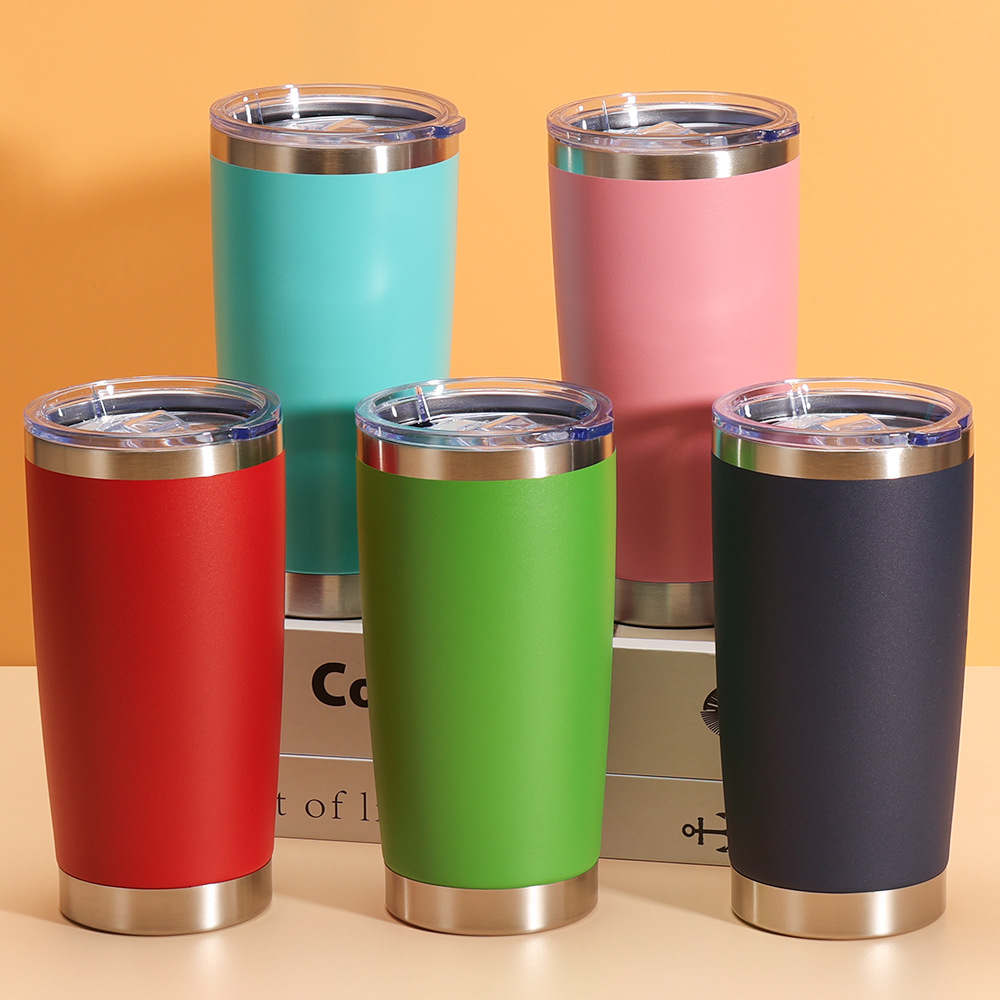
নিকেল মাইগ্রেশন ও Prop 65: প্রায়ই উপেক্ষিত ঝুঁকি
নিকেল একটি Prop 65 তালিকাভুক্ত কার্সিনোজেন, এবং এটি 304 ও 316 স্টেইনলেস স্টিলে অন্তর্নিহিত। নিকেলের জন্য Prop 65 নিরাপদ-আশ্রয় থ্রেশহোল্ড হলো প্রতিদিন ০.০৭ মাইক্রোগ্রাম ডার্মাল এক্সপোজার — একটি খুব কম সীমা যা বাইরের স্টিল পৃষ্ঠ সঠিকভাবে প্রলেপিত না হলে বা কোটিং পাতলা, ছিদ্রযুক্ত বা ক্ষতিগ্রস্ত হলে ট্রিগার হতে পারে।
এখানে কোটিং মান ও কোটিং কভারেজ কমপ্লায়েন্সের সাথে পরস্পর সম্পর্কিত। একটি পাতলা বা অনুপযুক্তভাবে কিউর করা পাউডার কোট যা শিপিংয়ের সময় চিপ বা ঘর্ষণ পায় তা খালি স্টিল প্রকাশ করে, যা ঘাম পরিস্থিতিতে নিকেল মাইগ্রেট করতে পারে।
এটি ব্যবহারিকভাবে মানে:
- স্টিলে সুরক্ষামূলক পাউডার কোটের জন্য ন্যূনতম ড্রাই ফিল্ম থিকনেস (DFT) সাধারণত 60–80 মাইক্রন। উৎপাদন থেকে DFT পরিমাপ রেকর্ড চান (ম্যাগনেটিক ইন্ডাকশন গেজ দিয়ে পরিমাপ)। 50 মাইক্রনের নিচে যেকোনো কিছু টেকসইতা ও কমপ্লায়েন্স ঝুঁকি।
- আঠালো পরীক্ষা (ASTM D3359 অনুযায়ী ক্রস-কাট টেপ পরীক্ষা) নথিভুক্ত থাকতে হবে। খারাপ আঠালো = পরিবহনে চিপিং = খালি স্টিল = নিকেল এক্সপোজার ঝুঁকি।
- আপনার ক্রয় আদেশে উল্লেখ করুন যে কোটিং ASTM B117 অনুযায়ী কমপক্ষে 500 ঘণ্টার সল্ট-স্প্রে (কোরোশন) পরীক্ষা পাস করতে হবে। এটি প্রাইমার ও প্রিট্রিটমেন্টে কাটা কোণ ছেঁকে বের করে।
কোয়ালিটি-ফেড সমস্যা: অনুমোদিত নমুনা বনাম বাল্ক শিপমেন্ট
এমনকি আপনার প্রি-প্রোডাকশন স্যাম্পেল প্রতিটি কোটিং পরীক্ষায় পাস করলেও বাল্ক উৎপাদন আলাদা হতে পারে — এটি সেই "কোয়ালিটি ফেড" প্যাটার্ন যা অভিজ্ঞ সোর্সিং এজেন্টরা বারবার নথিভুক্ত করেন। গোল্ডেন স্যাম্পেল প্রায়ই সাবধানে প্রস্তুত একটি ধীর লাইনে হাতে সম্পন্ন; বাল্ক হাই-স্পিড স্বয়ংক্রিয় লাইনে চলে যেখানে সাইকেল-টাইম লক্ষ্যমাত্রা পূরণের জন্য কিউর টাইম, ফিল্ম থিকনেস ও সারফেস প্রেপ কমানো হয়।
কোটিংয়ের ক্ষেত্রে সবচেয়ে সাধারণ বাল্ক-প্রোডাকশন শর্টকাটগুলো:
- কমানো প্রিট্রিটমেন্ট — পাউডার প্রয়োগের আগে ফসফেট বা ক্রোমেট রূপান্তর কোটিং সংক্ষিপ্ত করা হয়, আঠালো ও কোরোশন প্রতিরোধ কমে।
- কম কিউর তাপমাত্রা বা সংক্ষিপ্ত ড্রেল সময় — আন্ডারকিউর পাউডার কোট নরম, আরও সহজে চিপ হয়, এবং ঘোষিত রাসায়নিক বৈশিষ্ট্য (PFAS-মুক্ত অবস্থা সহ) অর্জন নাও করতে পারে।
- পিগমেন্ট বদলি — নির্দিষ্ট কমপ্লায়েন্ট পিগমেন্ট কারখানার ডিফল্টের চেয়ে বেশি দামি হলে, বাল্ক রান চুপচাপ বিকল্প ব্যবহার করতে পারে।
ব্যবহারিক প্রতিরক্ষা হলো প্রি-শিপমেন্ট ইন্সপেকশন যাতে উৎপাদন ইউনিটের র্যান্ডম নমুনায় কোটিং থিকনেস পরিমাপ এবং মূল প্রি-প্রোডাকশন স্যাম্পেলের পরিবর্তে বাল্ক-প্রোডাকশন নমুনায় কোটিং কেমিস্ট্রির পুনঃপরীক্ষা অন্তর্ভুক্ত। আমাদের বিস্তৃত গাইড স্যাম্পেল ও বাল্কের মধ্যে কোয়ালিটি ফেড প্রতিরোধ-এ সমস্ত পণ্যের মাত্রার জন্য এটি কভার করা হয়েছে।
নকল ও পুনর্ব্যবহৃত পরীক্ষা সনদপত্র: কীভাবে চিনবেন
চীনা ড্রিংকওয়্যার সোর্সিংয়ে নকল কমপ্লায়েন্স সনদপত্র ব্যাপক। একটি বড় সোর্সিং এজেন্সির 2024 সালের জরিপে দেখা গেছে 30%-এর বেশি Alibaba-তালিকাভুক্ত সরবরাহকারী এমন পরীক্ষার রিপোর্ট প্রদান করেছে যা ইস্যুকারী ল্যাবে যাচাই করা যায় না।
কোটিং পরীক্ষার রিপোর্টের নির্দিষ্ট লাল পতাকা:
- রিপোর্টটি 18 মাসের বেশি পুরনো এবং/বা কারখানার বর্তমান কোটিং সরবরাহকারী সম্পর্কের আগের।
- রিপোর্টের পণ্যের বিবরণ আপনার নির্দিষ্ট SKU (রঙ, ফিনিশ, আকৃতি) এর সাথে মেলে না।
- ল্যাব রেফারেন্স নম্বর ল্যাবের পাবলিক পোর্টালে যাচাই করা যায় না (SGS, Intertek ও Bureau Veritas সবাই রিপোর্ট নম্বর দিয়ে সনদপত্র যাচাই অফার করে)।
- রিপোর্ট কেবল PFOA ও PFOS কভার করে, বৃহত্তর PFAS প্যানেল নয় — এটি সাধারণ এড়ানো কৌশল কারণ এই দুটি যৌগ ইতোমধ্যে নিষিদ্ধ।
সমাধান সবসময় সরাসরি ল্যাবের সাথে নিজে পরীক্ষা কমিশন করা — আপনি ল্যাব সরাসরি পেমেন্ট করেন, ল্যাব আপনার ঠিকানায় উৎপাদন নমুনা পাঠায়, এবং রিপোর্ট আপনার নামে ইস্যু হয়। এটি কাস্টডি চেইন থেকে কারখানাকে সরিয়ে দেয়। বিস্তারিত ওয়াকথ্রু দেখুন: সরবরাহকারীর পরীক্ষার রিপোর্ট আসল কিনা যাচাই করা।
আপনার ক্রয় আদেশ ও গুণমান চুক্তিতে কী লিখবেন
কোটিং কমপ্লায়েন্স সম্পর্কে মৌখিক চুক্তি অপ্রয়োগযোগ্য। আমানত পেমেন্টের আগে নিচেরগুলো আপনার ক্রয় আদেশ বা আলাদা গুণমান চুক্তিতে লেখা থাকতে হবে:
- কোটিং স্পেসিফিকেশন — নামকৃত কোটিং সরবরাহকারী/পণ্য লাইন, রঙ রেফারেন্স (Pantone বা RAL), DFT পরিসীমা (যেমন 60–80 µm), গ্লস স্তর ও ফিনিশ ধরন।
- রাসায়নিক কমপ্লায়েন্স ক্লজ — কোটিং সীসামুক্ত (Prop 65 থ্রেশহোল্ড অনুযায়ী), PFAS-মুক্ত (California AB 1200 ও প্রযোজ্য রাজ্য আইন অনুযায়ী), এবং নিকেল-নিরাপদ (EU REACH নিকেল মাইগ্রেশন সীমা অনুযায়ী) — এর স্পষ্ট বিবৃতি।
- পরীক্ষার বাধ্যবাধকতা — কারখানাকে শিপমেন্টের আগে প্রথম বাল্ক উৎপাদন নমুনায় থার্ড-পার্টি পরীক্ষার রিপোর্ট দিতে হবে; ক্রেতা স্বাধীন পুনঃপরীক্ষার অধিকার সংরক্ষণ করেন।
- ব্যাচ ট্রেসেবিলিটি — কারখানাকে 24 মাস কোটিং উপকরণের লট রেকর্ড সংরক্ষণ করতে হবে এবং চাহিদায় প্রদান করতে হবে।
- প্রতিকার ক্লজ — স্বাধীন পরীক্ষায় অ-কমপ্লায়েন্স পাওয়া গেলে কারখানা পুনর্কাজ, পুনঃপরীক্ষা ও পুনরায় পাঠানোর খরচ বহন করবে।
আপনি যদি সরাসরি কারখানার পরিবর্তে ট্রেডিং কোম্পানির সাথে কাজ করেন, তাহলে এই ক্লজগুলো প্রয়োগ করা অনেক কঠিন কারণ মধ্যস্থতাকারী উৎপাদন নিয়ন্ত্রণ করে না। এটিই যাচাইকৃত প্রস্তুতকারক থেকে সোর্স করার অন্যতম গুরুত্বপূর্ণ কারণ। আমাদের গাইড দেখুন ড্রিংকওয়্যারের জন্য কারখানা বনাম ট্রেডিং কোম্পানি।
MUCHUANG কীভাবে কোটিং কমপ্লায়েন্স পরিচালনা করে
MUCHUANG-এ সমস্ত বাইরের কোটিং ঘোষিত PFAS-মুক্ত ফর্মুলেশন থেকে ব্যাচ-স্তরের SDS ডকুমেন্টেশন সহ সোর্স করা হয়। প্রতিটি উৎপাদন রানে DFT স্পট চেক ও আঠালো ক্রস-কাট পরীক্ষা আমাদের QC লগে রেকর্ড করা হয়। আমরা অনুরোধে থার্ড-পার্টি Prop 65 পরীক্ষার রিপোর্ট (সীসা ও নিকেল) ও PFAS-মুক্ত ঘোষণা প্রদান করি, নির্দিষ্ট উৎপাদন ব্যাচের সাথে সংযুক্ত — আগের অর্ডার থেকে পুনর্ব্যবহৃত নয়। যদি Amazon-এর জন্য LFGB মাইগ্রেশন পরীক্ষা বা Prop 65 কমপ্লায়েন্স লেটার প্রয়োজন হয়, আমরা সরাসরি অ্যাক্রেডিটেড ল্যাবের সাথে সমন্বয় করি যাতে রিপোর্ট কাস্টডির অটুট শৃঙ্খল সহ আপনার নামে ইস্যু হয়। আমাদের ইনসুলেটেড টাম্বলার পরিসর ব্রাউজ করুন বা স্যাম্পলিংয়ের আগে আপনার নির্দিষ্ট কমপ্লায়েন্স প্রয়োজনীয়তা আলোচনা করতে আমাদের সাথে যোগাযোগ করুন।
প্রায়শই জিজ্ঞাসিত প্রশ্ন
"PFAS-মুক্ত পাউডার কোটিং" আসলে কী মানে, এবং কীভাবে যাচাই করব?
এর মানে কোটিং ফর্মুলেশনে কোনো ইচ্ছাকৃতভাবে যোগ করা per- বা polyfluoroalkyl substances নেই — পিগমেন্টে, ফ্লো মডিফায়ারে বা হার্ডেনার কেমিস্ট্রিতে কোনোটিতেই নয়। যাচাইয়ের জন্য SGS বা Intertek-এর মতো অ্যাক্রেডিটেড ল্যাব থেকে সরাসরি অর্ডার করা উৎপাদন নমুনায় বিস্তৃত PFAS প্যানেল (শুধু PFOA/PFOS নয়) কভার করা LC-MS/MS ল্যাব পরীক্ষার প্রয়োজন, রিপোর্ট আপনার নামে ইস্যু করে।
California-তে না থাকলে কি Prop 65 প্রযোজ্য?
হ্যাঁ, কার্যকরভাবে। আপনার পণ্য যেকোনো California বাসিন্দার কাছে বিক্রি হলে — Amazon.com-এর মাধ্যমে সহ — এবং এতে নিরাপদ-আশ্রয় থ্রেশহোল্ডের উপরে তালিকাভুক্ত রাসায়নিক থাকলে, আপনাকে Prop 65 সতর্কতা প্রদান করতে হবে। Amazon একটি Prop 65 এনফোর্সমেন্ট নোটিশকে তাৎক্ষণিক লিস্টিং সরানোর কারণ হিসেবে মানে, তাই আপনার ব্যবসা যেখানেই নিবন্ধিত হোক না কেন বাধ্যবাধকতা প্রযোজ্য।
ভালো পাউডার কোট কি নিচে অ-কমপ্লায়েন্ট স্টিল গ্রেড লুকিয়ে রাখতে পারে?
আংশিকভাবে, এবং নিরাপদভাবে নয়। পুরু বাইরের কোটিং বাইরের পৃষ্ঠ থেকে নিকেল মাইগ্রেশন প্রতিরোধ করে কিন্তু ইনার লাইনারে কিছুই করে না, যা খাদ্য-সংস্পর্শ কমপ্লায়েন্সের জন্য 304 স্টেইনলেস স্টিল হতে হবে। XRF গান পাতলা কোটিং ভেদ করে নিচের স্টিলের গঠন পড়তে পারে; পুরু কোটিংয়ের জন্য ICP ল্যাবে পাঠানো ক্রস-সেকশন নমুনা নির্ধারক। কোটিং ও স্টিল গ্রেড আলাদাভাবে যাচাই করুন।
আমার সরবরাহকারী বলছে তাদের কোটিং "RoHS compliant" — এটি কি Prop 65 ও PFAS কভার করে?
না। RoHS বৈদ্যুতিক ও ইলেকট্রনিক সরঞ্জামে সীসা, ক্যাডমিয়াম, পারদ, হেক্সাভ্যালেন্ট ক্রোমিয়াম ও দুটি শ্রেণীর ফ্লেম রিটার্ডেন্ট সীমাবদ্ধ করে। এটি সম্পূর্ণ Prop 65 রাসায়নিক তালিকা কভার করে না, PFAS সম্বোধন করে না, এবং খাদ্য-সংস্পর্শ ভোক্তা পণ্যের পরিবর্তে ইলেকট্রনিক্সে সীমাবদ্ধ। RoHS কমপ্লায়েন্স ড্রিংকওয়্যার কোটিংয়ের প্রয়োজনীয়তা থেকে আলাদা ও সংকীর্ণ মান।
সঠিক কোটিং কমপ্লায়েন্স পরীক্ষা আমার প্রতি ইউনিট ল্যান্ডেড কস্টে কত যোগ করে?
প্রাথমিক কমপ্লায়েন্স পরীক্ষার জন্য প্রতি SKU প্রতি বাজারে $600–$1,200 বাজেট রাখুন — সীসা/নিকেল (Prop 65), পূর্ণ PFAS প্যানেল ও আঠালো/DFT ডকুমেন্টেশন কভার করে। 500-ইউনিট ন্যূনতম অর্ডারে ছড়িয়ে দিলে প্রতি ইউনিটে $1.20–$2.40। প্রি-শিপমেন্ট কোটিং স্পট চেকে প্রতি ইন্সপেকশনে প্রায় $150–$300 যোগ হয়। সম্পূর্ণ কমপ্লায়েন্স ব্যয়ের প্রসঙ্গের জন্য দেখুন ড্রিংকওয়্যার আমদানির লুকানো খরচ।