কম MOQ-তে কাস্টম টাম্বলার: ৫,০০০ ইউনিট অর্ডার না করেই বাজার যাচাই করুন
ব্র্যান্ডেড টাম্বলার লঞ্চ করতে ৫,০০০ ইউনিট লাগে না। চীনের বেশিরভাগ কারখানা সঠিক পদ্ধতিতে যোগাযোগ করলে ৩০০–৫০০ পিসের সত্যিকার ট্রায়াল অর্ডার শিপ করে: স্টক মোল্ডে লোগো-শুধু ডেকোরেশন, মিক্সড-কালার রান বা এমন কারখানা যারা সরাসরি স্মল-ব্যাচ OEM সাপোর্ট করে। কোয়ালিটি কন্ট্রোল উপেক্ষা না করে এবং প্রথমবার ক্রেতাদের সাধারণ ফাঁদ এড়িয়ে এটি করার উপায় এখানে।
উচ্চ MOQ কেন থাকে — এবং কখন ৫০০ সত্যিই সম্ভব
কারখানাগুলো সেটআপ খরচ কভার করতে উচ্চ MOQ (সাধারণত ১,০০০–৫,০০০ পিস) নির্ধারণ করে: কোটিং লাইন ক্যালিব্রেট করতে একটি ন্যূনতম ব্যাচ প্রয়োজন, কাস্টম মোল্ডের অবমূল্যায়ন ইউনিট জুড়ে ছড়িয়ে দিতে হয় এবং ছোট রানে প্যাকিং লাইনের দক্ষতা কমে। সুখবর হলো প্রথম অর্ডারে এই বেশিরভাগ খরচ এড়ানো যায় যদি আপনি সম্পূর্ণ কাস্টম শেপে জোর না দেন।
তিনটি পদ্ধতি নির্ভরযোগ্যভাবে MOQ ৩০০–৫০০ ইউনিটে নামিয়ে আনে:
- স্টক মডেল + লোগো ডেকোরেশন — কারখানার বিদ্যমান মোল্ড মানে শূন্য টুলিং খরচ। আপনি একটি স্ট্যান্ডার্ড টাম্বলার শেপ বেছে নেন, আপনার Pantone রঙ নির্ধারণ করেন এবং সিল্ক-স্ক্রিন বা লেজার-এনগ্রেভড লোগো যোগ করেন। সেটআপ সময় সপ্তাহ নয়, দিনের মধ্যে, এবং MOQ নাটকীয়ভাবে কমে যায় কারণ কারখানা আপনার রান একটি বড় প্রোডাকশন লটে যুক্ত করতে পারে।
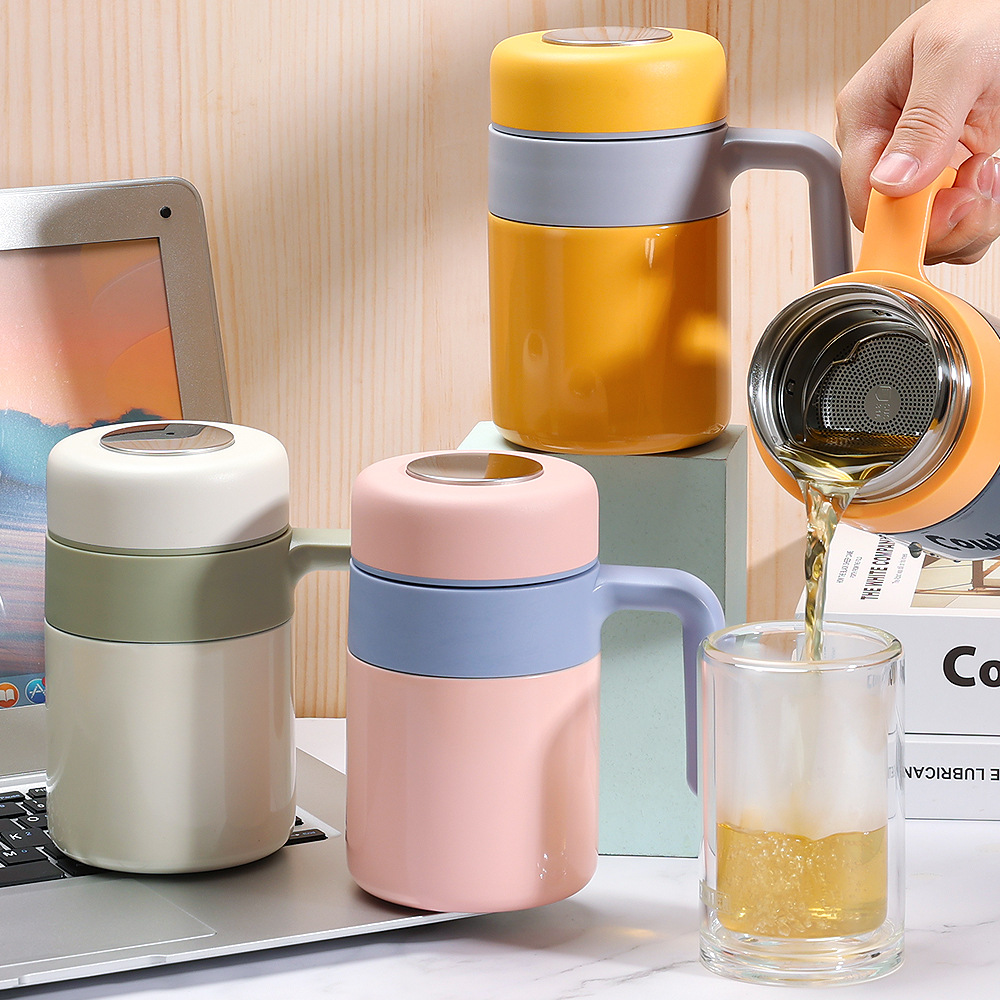
- মিক্সড-কালার রান — আপনার যদি ৫০০ ইউনিট দরকার হয় কিন্তু তিনটি কালারওয়ে চান, তাহলে কারখানা কালার ভেরিয়েন্টগুলো একটি একক MOQ মোটে গণনা করবে কিনা নিশ্চিত করুন। অনেকে করবে, যদি শেপ এবং ডেকোরেশন পদ্ধতি একই হয়। এটি আপনার ইনভেন্টরি ঝুঁকি দ্বিগুণ না করে কোন রঙ বিক্রি হয় তা পরীক্ষা করতে দেয়।
- শেয়ার্ড মোল্ড / ODM বেস শেপ — কিছু কারখানা সেমি-কাস্টম প্রোগ্রাম অফার করে যেখানে বাইরের শেল তাদের স্ট্যান্ডার্ড মোল্ড কিন্তু লিড, হ্যান্ডেল বা স্ট্র ক্যাপ বিনিময়যোগ্য। OEM ইকোনমিক্সে একটি ভিন্ন লুক পাওয়া যায়। কোন মডেল কখন উপযুক্ত তার সম্পূর্ণ বিশ্লেষণের জন্য দেখুন OEM বনাম ODM ওয়াটার বোতলের তুলনা।
ডেকোরেশন পদ্ধতি আপনার MOQ-কে যতটা ভাবেন তার চেয়ে বেশি প্রভাবিত করে
লেজার এনগ্রেভিং এবং UV প্রিন্টিং সাধারণত সিল্ক স্ক্রিনের চেয়ে প্রতি রানে বেশি সেটআপ খরচ বহন করে, যা কারখানার বোতল MOQ ৫০০ হলেও কার্যকর MOQ বাড়িয়ে দিতে পারে। আলোচনায় বসার আগে আপনি কী চাইছেন তা জানুন।
| ডেকোরেশন পদ্ধতি | সাধারণ সেটআপ খরচ | MOQ প্রভাব | সবচেয়ে উপযুক্ত |
|---|---|---|---|
| সিল্ক-স্ক্রিন (১–২ রঙ) | $৩০–৮০/রঙ | সর্বনিম্ন — ২০০–৩০০ পিস থেকে শুরু সম্ভব | সরল লোগো, উচ্চ কনট্রাস্ট |
| লেজার এনগ্রেভিং | প্রতি পিস ন্যূনতম, কোনো প্লেট ফি নেই | কম — সেটআপ থেকে কোনো ব্যাচ মিনিমাম নেই | প্রিমিয়াম অনুভূতি, কালি বিবর্ণ হওয়ার উদ্বেগ নেই |
| UV প্রিন্টিং (ফুল কালার) | $১০০–২৫০ সেটআপ | মাঝারি — কারখানা সাধারণত ৫০০+ চায় | ফটো-রিয়ালিস্টিক বা গ্রেডিয়েন্ট আর্টওয়ার্ক |
| পাউডার কোটিং (ফুল শেল) | লাইন সেটআপ $১৫০–৪০০ | সর্বোচ্চ — ১,০০০+ সাধারণ | সলিড-কালার ব্র্যান্ডেড কালেকশন |
একটি মার্কেট-টেস্ট অর্ডারে, স্টক-কালার শেলে সিল্ক স্ক্রিন বা লেজার এনগ্রেভিং ৩০০–৫০০ ইউনিটে পৌঁছানোর দ্রুততম পথ। এই পদ্ধতিগুলোর ট্রেড-অফের গভীর বিশ্লেষণের জন্য দেখুন টাম্বলারের জন্য কাস্টম লোগো পদ্ধতির তুলনা।
লো-MOQ ট্রায়াল অর্ডারের ট্রেড-অফ
কম MOQ মানে কম ঝুঁকি নয় — মানে ভিন্ন ঝুঁকি। স্পষ্ট প্রত্যাশা নিয়ে যাওয়া ব্যয়বহুল বিস্ময় এড়ায়।
ইউনিট খরচ বেশি
৫০০ ইউনিটে, আপনার এক্স-ওয়ার্কস মূল্য সাধারণত ৩,০০০ ইউনিটে যা পেমেন্ট করতেন তার চেয়ে ১৫–৩০% বেশি হবে। এটা স্বাভাবিক; আপনি নমনীয়তার জন্য প্রিমিয়াম দিচ্ছেন। কোটেশন তুলনা করার আগে আপনার মার্জিন গণিতে এটি হিসাব করুন। একটি কারখানা যদি ৫০০-ইউনিটের মূল্য তার ৩,০০০-ইউনিটের মূল্যের মতো অফার করে, সেটি ভালো সওদা নয়, লাল পতাকা — এটি বোঝায় মূল্য প্রথম থেকেই ফুলানো ছিল বা অন্য কোথাও কর্নার কাটা হচ্ছে।
আপনি ছোট ক্রেতা — সেটা মাথায় রেখে আচরণ করুন
কারখানাগুলো প্রোডাকশন শিডিউলিংয়ে বড় পুনরাবৃত্তি ক্রেতাদের অগ্রাধিকার দেয়। ছোট ক্রেতারা চাইনিজ নববর্ষ, গোল্ডেন উইক এবং Q3–Q4 পিক সিজনে (আগস্ট–অক্টোবর) বাম্প হয় যখন মার্কিন ছুটির অর্ডার ফ্লোর দখল করে। আপনার লিড-টাইম প্রত্যাশায় অতিরিক্ত ২–৩ সপ্তাহের বাফার তৈরি করুন এবং ডিপোজিট পেমেন্ট করার আগে লিখিতভাবে প্রোডাকশন স্লট নিশ্চিত করুন।
কোয়ালিটি-ফেড উইন্ডো ছোট কিন্তু বাস্তব
৫০০-ইউনিট অর্ডারেও "গোল্ডেন স্যাম্পল" সমস্যা থাকে: আপনার অনুমোদিত স্যাম্পল প্রায়ই একজন দক্ষ কর্মীর দ্বারা হাতে-ফিনিশ করা হয়, যেখানে বাল্ক পিস দ্রুততর প্রোডাকশন লাইনে চলে। লিড ফিট, পাউডার-কোট অ্যাডহেশন এবং ভ্যাকুয়াম ইনসুলেশন পারফরম্যান্স সবই বিচ্যুত হতে পারে। ছোট অর্ডারেও প্রি-শিপমেন্ট ইন্সপেকশন অনুরোধ করুন — তৃতীয়-পক্ষ ইন্সপেক্টর ৮০–১০০ পিস চেক করতে $১৫০–২৫০ খরচ করে এবং বেশিরভাগ পদ্ধতিগত ত্রুটি ধরে। স্যাম্পল থেকে বাল্কে কোয়ালিটি ফেড কীভাবে প্রতিরোধ করবেন পড়ুন।
অর্ডার করার আগে যে মেটেরিয়াল সাবস্টিটিউশন ঝুঁকি অবশ্যই মোকাবেলা করতে হবে
ড্রিংকওয়্যার বিভাগে সবচেয়ে বেশি উদ্ধৃত ক্রেতার অভিযোগগুলোর একটি হলো 304 স্টেইনলেস স্টিলের জায়গায় 201 প্রতিস্থাপন। কারখানাগুলো স্যাম্পল পর্যায়ে 304 ফুড-গ্রেড স্টিলে রাজি হয়, তারপর বাল্ক প্রোডাকশনে সস্তা 201-এ পরিবর্তন করে। CCTV-র ভোক্তা-বিষয়ক তদন্তে নিরাপত্তা সীমার ছয়গুণ ম্যাঙ্গানিজ মাত্রা সহ থার্মোস ব্র্যান্ডগুলো প্রমাণিত হয়েছে — 201 অ্যালয়ের বৈশিষ্ট্য, যা উচ্চ-ম্যাঙ্গানিজ এবং সময়ের সাথে লিচিং ও সারফেস রাস্টের প্রবণ।
একটি ছোট ট্রায়াল অর্ডারে আপনার ভাবার চেয়ে বেশি সুবিধা আছে: পার্চেজ চুক্তিতে নির্দিষ্ট করতে পারেন যে সমস্ত ইনার-লাইনার মেটেরিয়াল অবশ্যই সার্টিফাইড 304 (SUS 304 / GB/T 3280) হতে হবে এবং আগমনে তৃতীয়-পক্ষ XRF বা কেমিক্যাল স্পট-টেস্টিংয়ের অধিকার আপনার কাছে সংরক্ষিত থাকবে। তার মেটেরিয়ালে আত্মবিশ্বাসী একটি কারখানা কোনো প্রতিরোধ ছাড়াই সেই ধারা গ্রহণ করবে। যেটি প্রতিরোধ করে সে আপনাকে কিছু বলছে। প্রাপ্ত পণ্য কীভাবে যাচাই করবেন তার সম্পূর্ণ বিবরণের জন্য দেখুন 304 স্টেইনলেস স্টিল কীভাবে যাচাই করবেন এবং 201 প্রতিস্থাপন কেলেঙ্কারি এড়াবেন।
ট্রায়াল অর্ডার আলোচনা করার উপায়: একটি ব্যবহারিক পদ্ধতি
সঠিকভাবে কথোপকথন শুরু করলে বেশিরভাগ কারখানা লো-MOQ শর্তে আলোচনা করবে। মূল বিষয় হলো আপনি একজন বিশ্বাসযোগ্য ক্রেতা যার বৃদ্ধির সম্ভাবনা আছে তা প্রদর্শন করা, এককালীন স্যাম্পল শপার নন।
- প্রবৃদ্ধির গল্প দিয়ে শুরু করুন। "আমরা আমাদের Amazon/রিটেইল চ্যানেলের জন্য এই SKU পরীক্ষা করছি। ভেলোসিটি ভালো হলে, Q2-তে ২,০০০–৩,০০০ ইউনিটের জন্য ফিরে আসব।" কারখানাগুলো একটি একক PO নয়, লাইফটাইম ভ্যালু সম্পর্কে যত্নশীল।
- স্টক মডেলে নোঙর করুন। কথোপকথনে তাদের বিদ্যমান তিন বা চারটি পণ্য নম্বর নিয়ে আসুন। তারা ইতিমধ্যে যা উৎপাদন করে তা কাস্টমাইজ করার অনুরোধ মোল্ড-খরচের আপত্তি সম্পূর্ণভাবে দূর করে।
- বেশি ডিপোজিট অফার করুন। স্ট্যান্ডার্ড শর্ত হলো ৩০% ডিপোজিট / শিপমেন্টের আগে ৭০%। ছোট অর্ডারে ৫০% আগাম অফার করা প্রতিশ্রুতির সংকেত দেয় এবং কারখানার ঝুঁকি কমায় — MOQ ছাড়ের বিনিময়ে যুক্তিসংগত।
- ট্রায়ালে স্ট্যান্ডার্ড প্যাকেজিং গ্রহণ করুন। কাস্টম গিফট বক্স প্রতি ইউনিটে $০.৮০–$১.৫০ যোগ করতে পারে এবং তাদের নিজস্ব MOQ প্রয়োজন। পরীক্ষার ব্যাচের জন্য কারখানার পলিব্যাগ বা প্লেইন বক্স ব্যবহার করুন; ব্র্যান্ডেড প্যাকেজিংয়ে বিনিয়োগ করুন দ্বিতীয় অর্ডারে যখন আপনি জানেন পণ্যটি বিক্রি হয়।
- MOQ ছাড় লিখিতভাবে পান। ফোন কল বা WeChat-এ মৌখিক চুক্তি বিরোধ হলে কোনো মূল্য নেই। বিক্রয় চুক্তিতে পরিমাণ, ইউনিট মূল্য, মেটেরিয়াল স্পেক (304 ইনার লাইনার), ডেকোরেশন স্পেক এবং লিড টাইম স্পষ্টভাবে উল্লেখ থাকা উচিত।
২০২৫ মার্কিন ট্যারিফ আপনার ল্যান্ডেড খরচের গণিতকে কীভাবে প্রভাবিত করে
পরিমাণ চূড়ান্ত করার আগে, আপনার ল্যান্ডেড-খরচ মডেল চালান। ২০২৫ ট্যারিফ পরিবেশ মার্কিন ক্রেতাদের জন্য ইকোনমিক্স উল্লেখযোগ্যভাবে পরিবর্তন করেছে। Section 301 শুল্ক এবং IEEPA ব্যবস্থা মিলে চীনা স্টেইনলেস স্টিল ড্রিংকওয়্যারে এখন প্রায় ২০–৩০%+ স্ট্যাক হয়, এবং মে ২০২৫-এ de minimis ছাড় শেষ হয়েছে যা $৮০০-এর নিচের শিপমেন্টকে শুল্কমুক্তভাবে প্রবেশ করতে দিত। একটি টাম্বলার যা চীন থেকে $৭.৫০ ex-works বের হয়েছিল সেটি ফ্রেইট, ট্যারিফ, কাস্টমস বন্ড এবং তৃতীয়-পক্ষ ল্যাব টেস্টিং ($৫০০–১,৫০০ কমপ্লায়েন্স টেস্ট রিপোর্টের জন্য) হিসাব করার পরে সহজেই $১৩ বা তার বেশিতে ল্যান্ড করতে পারে।
৫০০-ইউনিটে, আপনার প্রতি-ইউনিট ফ্রেইট খরচও কষ্টকর: টাম্বলারের জন্য এয়ার ফ্রেইট প্রতি ইউনিটে $১০–১৪, যা প্রায়ই পণ্যের চেয়ে বেশি। সি ফ্রেইট (LCL, লেস-দ্যান-কন্টেইনার লোড) সাধারণত প্রতি ইউনিটে $১.৫০–৩.০০ কিন্তু ৪–৬ সপ্তাহের ট্রানজিট টাইম এবং উচ্চতর মিনিমাম চার্জেবল ওয়েট প্রয়োজন। বিস্তারিত বিভাজনের জন্য দেখুন চীন থেকে ড্রিংকওয়্যার আমদানির লুকানো খরচ।
৫০০-ইউনিট ট্রায়াল অর্ডারের জন্য ইঙ্গিত: এটিকে একটি শেখার বিনিয়োগ হিসেবে মূল্য নির্ধারণ করতে হবে, মুনাফা কেন্দ্র হিসেবে নয়। আপনি বাজারের তথ্য কিনছেন (কী বিক্রি হয়, আপনার গ্রাহকরা কী সম্পর্কে অভিযোগ করেন, আপনার Amazon লিস্টিং আসলে কী কনভার্ট হয়) প্রতি-ইউনিট খরচ প্রিমিয়ামে। এটি ঠিক আছে — এটাই ট্রায়ালের উদ্দেশ্য। কমিট করার আগে শুধু সঠিকভাবে মডেল করুন।
কমপ্লায়েন্স: ছোট অর্ডারে এড়িয়ে যাবেন না
Amazon সেপ্টেম্বর ২০২৪ থেকে ড্রিংকওয়্যার এবং শিশু পণ্যের জন্য প্রি-লিস্টিং কমপ্লায়েন্স ডকুমেন্টেশন বাধ্যতামূলক করেছে। এর মানে আপনার প্রথম ইউনিট লাইভ হওয়ার আগে একটি বৈধ ফুড-কন্টাক্ট সেফটি টেস্ট রিপোর্ট প্রয়োজন — ইনভেন্টরি আসার পরে নয়। EU বিক্রয়ের জন্য LFGB সার্টিফিকেশন স্ট্যান্ডার্ড; US-এর জন্য FDA ফুড-কন্টাক্ট কমপ্লায়েন্স প্রযোজ্য। California Prop 65 ডকুমেন্ট করা লিড এবং নিকেল লেবেলিং থ্রেশহোল্ড পূরণ করতে হবে। এবং ২০২৬ থেকে, PFAS-মুক্ত প্রয়োজনীয়তা একাধিক বাজারে বিক্রি হওয়া যেকোনো কোটেড ড্রিংকওয়্যারকে প্রভাবিত করবে।
ব্যবহারিক পরামর্শ: আপনি যে বেস মডেল অর্ডার করছেন তার জন্য ইতিমধ্যে ফাইলে থাকা টেস্ট রিপোর্টগুলো আপনার কারখানার কাছে চাইতে হবে। যদি স্টক শেপে তৃতীয়-পক্ষ ল্যাব থেকে একটি বিদ্যমান LFGB বা FDA রিপোর্ট থাকে, আপনি আপনার SKU-এর জন্য এটি ব্যবহার করতে পারবেন (কমপ্লায়েন্স পরামর্শদাতার সাথে চেক করুন, কারণ কভারেজ নির্দিষ্ট পণ্য এবং কোটিংয়ের উপর নির্ভর করে)। স্পষ্টভাবে জেনেরিক বা ভিন্ন পণ্য মডেল তালিকাভুক্ত এমন কোনো সার্টিফিকেট গ্রহণ করবেন না — এই বিভাগে নকল এবং পুনর্ব্যবহৃত টেস্ট সার্টিফিকেট একটি পরিচিত ক্রেতা উদ্বেগ।
MUCHUANG কীভাবে ছোট ট্রায়াল অর্ডার সাপোর্ট করে
MUCHUANG গুয়াংডংয়ের একটি কারখানা যেখানে ইন-হাউস ভ্যাকুয়াম ইনসুলেশন, কোটিং এবং QC লাইন আছে। আমরা সাধারণ সাইজের (১২ oz, ২০ oz, ৩০ oz, ৪০ oz) স্টক মোল্ডের একটি লাইব্রেরি রাখি এবং নির্বাচিত বেস মডেলে ৩০০ ইউনিট থেকে লোগো-শুধু কাস্টমাইজেশন অর্ডার সাপোর্ট করি। সমস্ত ইনার লাইনার অনুরোধে মিল সার্টিফিকেট সহ SUS 304 ফুড-গ্রেড স্টেইনলেস স্টিল ব্যবহার করে, এবং আমরা স্ট্যান্ডার্ড SKU-এর জন্য LFGB এবং FDA ফুড-কন্টাক্ট টেস্ট রিপোর্ট প্রদান করতে পারি। স্মল-ব্যাচ কাস্টমাইজেশনের জন্য কোন বেস মডেল উপলব্ধ তা দেখতে আমাদের পণ্য ব্রাউজ করুন, অথবা আপনার টার্গেট পরিমাণ, ডেকোরেশন পদ্ধতি এবং গন্তব্য বাজার নিয়ে আমাদের সাথে যোগাযোগ করুন এবং আমরা এক কর্মদিবসের মধ্যে একটি ট্রায়াল-অর্ডার কোটেশন পাঠাব।
প্রায়শই জিজ্ঞাসিত প্রশ্ন
চীনা কারখানা থেকে কাস্টম টাম্বলারের বাস্তবসম্মত ন্যূনতম অর্ডার পরিমাণ কত?
লোগো-শুধু ডেকোরেশন (সিল্ক স্ক্রিন বা লেজার এনগ্রেভিং) সহ একটি স্টক-মোল্ড টাম্বলারের জন্য, বেশিরভাগ মিড-সাইজ কারখানায় ৩০০–৫০০ ইউনিট সম্ভব। নতুন টুলিং প্রয়োজন সম্পূর্ণ কাস্টম শেপ সাধারণত ১,০০০–২,০০০ ইউনিট মিনিমাম থেকে শুরু হয়, কারণ মোল্ড খরচ ইউনিট মূল্য প্রতিযোগিতামূলক রাখতে যথেষ্ট পিস জুড়ে পরিশোধ করতে হয়।
৫০০-ইউনিট অর্ডার ৩,০০০ ইউনিটের তুলনায় কত বেশি ব্যয়বহুল?
৩,০০০ পিসের তুলনায় ৫০০ পিসে প্রতি ইউনিটে প্রায় ১৫–৩০% বেশি পেমেন্ট করার প্রত্যাশা করুন, কারখানা, ডেকোরেশন পদ্ধতি এবং সেটআপ খরচ কতটা ফিক্সড বনাম ভেরিয়েবল তার উপর নির্ভর করে। এই প্রিমিয়াম বাজার নমনীয়তার খরচ। কারখানার কোটেশন তুলনা করার আগে সর্বদা আপনার ল্যান্ডেড খরচ — ফ্রেইট, ট্যারিফ এবং কমপ্লায়েন্স টেস্টিং সহ — মডেল করুন।
৫০০-ইউনিট ট্রায়াল অর্ডারে কি এয়ার ফ্রেইট নাকি সি ফ্রেইট ব্যবহার করা উচিত?
৪–৬ সপ্তাহের ট্রানজিট টাইম সহ্য করতে পারলে ৫০০ টাম্বলারের জন্য সি ফ্রেইট (LCL) প্রায় সবসময় বেশি যুক্তিসংগত। এয়ার ফ্রেইট প্রতি টাম্বলার ইউনিটে $১০–১৪ খরচ করে এবং ছোট অর্ডারে নিয়মিত পণ্য খরচ ছাড়িয়ে যায়। লঞ্চ ডেডলাইনের জন্য গতি গুরুত্বপূর্ণ হলে স্পষ্টভাবে বাজেট করুন; এয়ার ফ্রেইটকে একটি মামুলি ভেরিয়েবল ধরে নেবেন না।
বাল্ক অর্ডার অনুমোদিত স্যাম্পলের সাথে মিলে কিনা কীভাবে নিশ্চিত করব?
তিনটি পদক্ষেপ উল্লেখযোগ্যভাবে কোয়ালিটি ফেড কমায়: (১) আপনার পার্চেজ চুক্তির সাথে বিস্তারিত টেক প্যাক বা পণ্য স্পেসিফিকেশন শীট অন্তর্ভুক্ত করুন, (২) ৭০% সম্পন্ন চিহ্নে প্রোডাকশন-লাইন ছবি বা ভিডিও ইন্সপেকশন অনুরোধ করুন, এবং (৩) ব্যালেন্স পেমেন্ট রিলিজের আগে আগমনে ৮০–১০০ র্যান্ডম ইউনিটে তৃতীয়-পক্ষ প্রি-শিপমেন্ট ইন্সপেকশন বুক করুন। এই পদক্ষেপগুলো ৫,০০০-ইউনিট অর্ডারে যেমন গুরুত্বপূর্ণ, ৫০০-ইউনিট অর্ডারেও তেমনই।
Amazon-এ বিক্রি করা ছোট ৫০০-ইউনিট টেস্ট অর্ডারে কি কমপ্লায়েন্স সার্টিফিকেট দরকার?
হ্যাঁ। Amazon-এর প্রি-লিস্টিং কমপ্লায়েন্স ডকুমেন্টেশনের প্রয়োজনীয়তা (সেপ্টেম্বর ২০২৪ থেকে কার্যকর) আপনার প্রাথমিক ইনভেন্টরি পরিমাণ নির্বিশেষে প্রযোজ্য। আপনার লিস্টিং লাইভ হওয়ার আগে নির্দিষ্ট পণ্যের সাথে সংযুক্ত একটি ফুড-কন্টাক্ট সেফটি টেস্ট রিপোর্ট (US-এর জন্য FDA, জার্মানি বা EU-এর জন্য LFGB) প্রয়োজন। কারখানার কাছে জিজ্ঞেস করুন বেস মডেলের বিদ্যমান টেস্ট রিপোর্টগুলো আপনার SKU কভার করে কিনা, এবং স্বাধীনভাবে সত্যতা যাচাই করুন।