مقارنة طرق طباعة الشعار على التمبلر: ليزر، سيريغرافي، UV، بودرة كوت
الحفر بالليزر، والطباعة بالشاشة الحريرية، والطباعة UV المباشرة، وطلاء المسحوق — كل أسلوب زخرفي يترك بصمة مختلفة على المتانة والتكلفة والحد الأدنى للطلب. لمن يريد شعارًا مخصصًا على كوب يدوم أطول مدة، يتصدر الحفر بالليزر في الديمومة، لكنه يزيل طبقة الحماية. الاختيار الصحيح يعتمد على سوقك وحجم الطلب ومدى إساءة عملائك في التعامل مع أواني الشرب.
لماذا أسلوب الزخرفة أهم من مجرد الشكل الجمالي
أسلوب الزخرفة الذي تختاره يؤثر في أكثر من المظهر — فهو يُحدد ما إذا كانت علامتك ستصمد بعد 500 دورة في غسالة الأطباق، وما إذا كانت ستصمد أمام نزاع إرجاع على Amazon، وما إذا كانت تكلفتك المُهبطة ستظل مربحة في ظل رسوم 2025.
شكوى مشترٍين تهيمن على منتديات التوريد: الشعارات التي تبهت أو تتقشر بعد أسابيع من الاستخدام، ومفاجآت الحد الأدنى للطلب حين يقتبس المورد 500 وحدة لقارورة عادية ثم يُضاعفها إلى 1,000+ بعد إضافة طباعة UV. فهم كل أسلوب مسبقًا يمنع هذه المفاجآت.
مخاطرة أخرى تستحق الذكر قبل الغوص في التفاصيل: المصانع ذاتها التي تُمارس إحلال فولاذ 201 محل 304 تقطع أيضًا في الزخرفة. المورد الذي يستبدل بطانتك الداخلية المتفق عليها من 304 بفولاذ 201 أرخص سيُطبّق بالمثل الحفر بالليزر بعمق أقل أو حبر الطباعة بالشاشة بتغطية أخف لتوفير بضعة سنتات في الوحدة. جودة الزخرفة لا تنفصل عن نزاهة المصنع الشاملة.
الحفر بالليزر: الخيار الأكثر ديمومة
الحفر بالليزر هو الأسلوب الزخرفي الوحيد الذي يكون دائمًا فعلًا — فهو يزيل المادة بدلًا من إضافتها، لذا لا شيء يتقشر أو يتكسر أو يبهت.
يُحوّل الليزر الألياف طبقة الطلاء بالمسحوق أو سطح الفولاذ الخارجي ليكشف عن المعدن الخام في الأسفل. النتيجة علامة فضية مطفأة أو متباينة تتحمل غسالات الأطباق والتآكل والتعرض للأشعة فوق البنفسجية إلى أجل غير مسمى. لذا يكون الليزر الخيار الافتراضي للهدايا الفاخرة والسلع التجارية ذات العلامة التجارية المؤسسية وأي منتج يُسوَّق بـ"ضمان مدى الحياة".
المقايضة الخفية: المعدن العاري وخطر الصدأ
يُزيل الحفر بالليزر عبر طبقة الطلاء طبقة الحماية في منطقة الحفر. على الأسطح الخارجية هذا مقبول جماليًا، لكن الليزر المُطبَّق بشكل غير سليم على العنق الداخلي أو تقاطع الغطاء قد يُنشئ نقطة تآكل دقيق بمرور الوقت، لا سيما مع المشروبات المالحة أو الحمضية. حدّد أن عمل الليزر خارجي فقط وأن البطانة الداخلية تبقى فولاذ 304/316 غير مطلي ملائم للغذاء.
مواصفات الليزر ومتطلبات الملفات
- تنسيق الملف: متجه فقط — AI أو EPS أو SVG بالحجم النهائي 1:1. الشعارات النقطية (JPG/PNG) التي تقل دقتها عن 600 نقطة في البوصة لا يمكن معالجتها بالليزر بوضوح.
- حد التفاصيل: الحد الأدنى لعرض الخط 0.3 مم؛ تجنّب الحروف النحيلة المُزخرفة بحجم أقل من 6 نقاط على الأسطح المنحنية.
- الألوان: مخرج أحادي اللون فقط — لا تظليل ولا تدرّج. التأثيرات ثنائية اللون تستلزم مسار ليزر ثانٍ بطاقة مختلفة.
- أثر الحد الأدنى للطلب: الليزر عملية آلية؛ معظم المصانع تُشغّله من 200–500 وحدة دون تكلفة حبر لكل وحدة، لذا كثيرًا ما يكون الحد الأدنى أقل من أساليب الطباعة.
طباعة الشاشة الحريرية: أفضل قيمة للشعارات ذات الألوان الصلبة
الطباعة بالشاشة الحريرية هي الأسلوب الأكثر فعالية من حيث التكلفة للشعارات ذات 1–3 ألوان Pantone صلبة عند الأحجام المتوسطة إلى الكبيرة. تنخفض تكلفة الوحدة بشكل حاد مع التوسع، مما يجعلها شائعة للهدايا الترويجية وتجزئة الفئة المتوسطة.
يُضغط الحبر عبر إستنسيل شبكي على السطح الخارجي المطلي. الطباعة بالشاشة المُنفَّذة بشكل جيد على كوب مطلي بالمسحوق تبدو زاهية وحادة — لكن سقف المتانة أقل من الليزر. النتائج المعيارية: 200–300 دورة في غسالة الأطباق قبل أن يبدأ التلاشي المرئي بالأحبار غير المعالجة بالأشعة فوق البنفسجية؛ أحبار الشاشة المعالجة بالأشعة فوق البنفسجية ترفع ذلك إلى 400–500 دورة.
أين تفشل طباعة الشاشة
- التدرجات والتفاصيل التصويرية غير ممكنة — طباعة الشاشة عملية ألوان نقطية.
- مطابقة Pantone الدقيقة تستلزم خلطًا دقيقًا للحبر؛ مورد يُقدّر باليد سينتج انجراف لون عبر دورات الإنتاج. حدّد دائمًا رموز Pantone لا وصفًا مثل "مشابه لـ". أكثر من 60% من نزاعات الشعار تعود إلى عمل فني غير جاهز للإنتاج أو وصف شفهي للألوان.
- كل لون إضافي يستلزم شاشة مستقلة ويُضيف تكلفة إعداد عادةً $30–80 لكل لون في الطلب. للشعارات ذات 4+ ألوان، تصبح طباعة UV أكثر اقتصادًا.
متطلبات ملفات الطباعة بالشاشة
- التنسيق: متجه (AI/EPS/SVG) مع تحويل جميع الخطوط إلى مسارات.
- وضع الألوان: رموز Pantone (PMS) لا CMYK أو RGB.
- الحد الأدنى المعتاد للطلب: 500–1,000 وحدة لكل مجموعة ألوان؛ قد يكون الحد الأدنى أقل مع إعدادات الشاشات المشتركة لكن تتراجع اتساق الألوان.
طباعة UV المباشرة: مرونة الألوان الكاملة بتكلفة
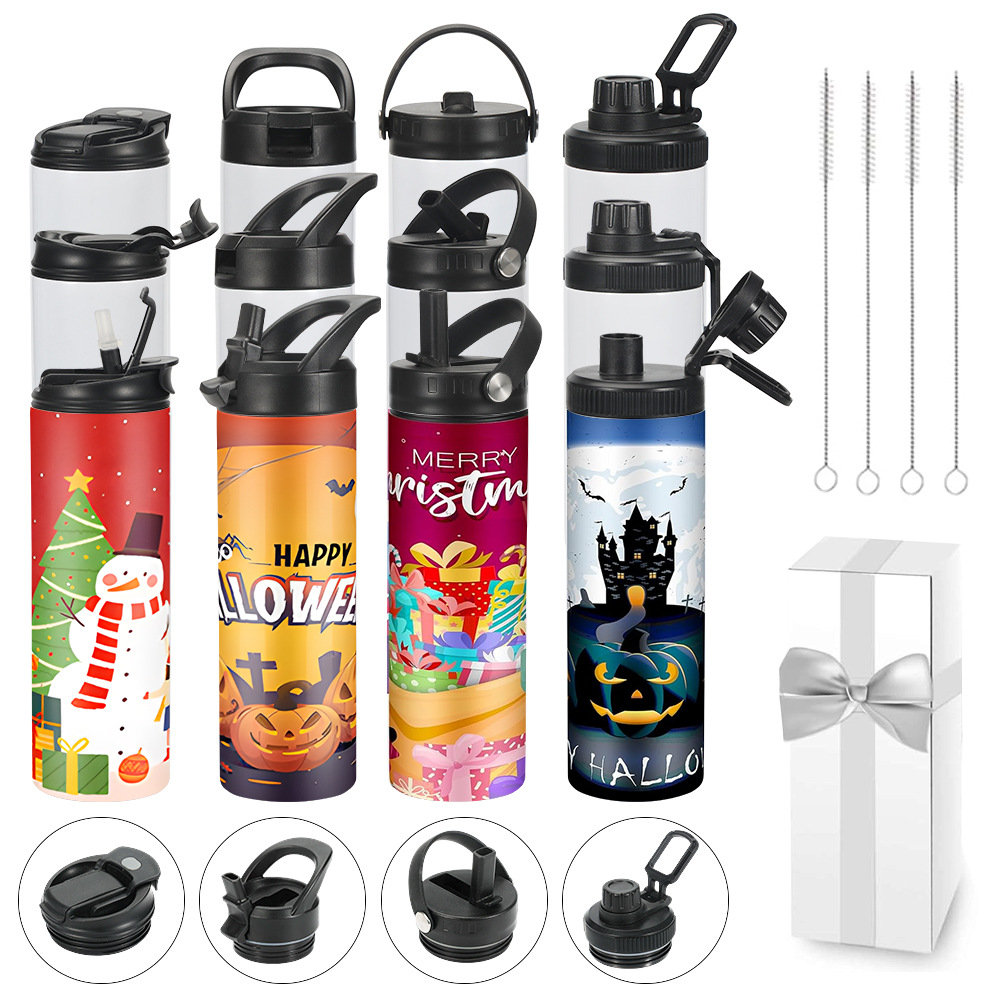
الطباعة UV المباشرة (طباعة UV-LED مسطحة أو دوارة) هي الأسلوب الوحيد الذي يُعيد إنتاج الصور التصويرية الكاملة اللون والتدرجات والعمل الفني متعدد الألوان المعقد مباشرةً على سطح الكوب. إنه الاختيار الصحيح لبرامج أصحاب العلامات التجارية التي تحتوي على عمل فني مفصّل أو صور تعبيرية على القارورة.
تُعالَج أحبار UV فورًا بضوء فوق البنفسجي، مما ينشئ طبقة بوليمر صلبة مرتبطة بالسطح المطلي. المتانة جيدة لكن لا تُضاهي الليزر: توقّع 300–500 دورة في غسالة الأطباق قبل بدء التشقق الدقيق عند نقاط الثني. الطباعة UV غير موصى بها للمناطق التي تتعرض لتلامس ميكانيكي شديد (مناطق المقبض، مناطق قبضة الغطاء).
واقع تكلفة وحد طلب الطباعة UV
تكلفة إعداد طباعة UV منخفضة (لا شاشات ولا قوالب) لكن تكلفة التشغيل الأعلى لكل وحدة مقارنة بالطباعة بالشاشة عند التوسع. هذا يجعلها اقتصادية للطلبات الصغيرة (100–300 وحدة) واختبار SKU بدفعات صغيرة، لكن باهظة لكل وحدة عند 5,000+ مقارنة بالطباعة بالشاشة. المشكلة: عدة مصانع تُضاعف الحد الأدنى المعياري (من 500 إلى 1,000+) للطباعة UV لأن العملية أبطأ لكل وحدة. أكّد الحد الأدنى كتابةً قبل إتمام العمل الفني.
إذا كنت تختبر تصميمًا جديدًا قبل الالتزام بطلب كبير، فالطباعة UV بحد أدنى منخفض طريقة عملية لاختبار كوب مخصص في السوق دون التزام مالي ثقيل.
متطلبات ملفات طباعة UV
- التنسيق: نقطي عالي الدقة (300 نقطة في البوصة كحد أدنى بالحجم النهائي للطباعة) أو متجه.
- ملف اللون: CMYK؛ قدّم مكافئات Pantone للألوان الحيوية للعلامة التجارية لأن تحويل CMYK إلى لون السطح يتباين بحسب مجموعة الأحبار.
- نزيف ولف: للطباعات الملتفة بالكامل، اطلب قالب المصنع الاسطواني — العمل الفني المسطح يُشوَّه.
طلاء المسحوق: زخرفة وحماية في خطوة واحدة
طلاء المسحوق ليس أسلوب تطبيق شعار — بل هو تشطيب سطح أساسي. لكنه يُحدد مدى أداء كل أسلوب زخرفي آخر وما إذا كان المنتج النهائي ممتثلًا لمتطلبات PFAS وProp 65.
تلتصق جزيئات المسحوق المشحونة كهربائيًا بسطح الفولاذ وتُعالَج عند 180–200 درجة مئوية، مما ينشئ قشرةً صلبة مقاومة للتكسير بسماكة 60–80 ميكرون. هذا التشطيب الخارجي الأكثر متانةً المتاح للأكواب — أكثر مقاومةً للتآكل بكثير من الطلاء المطاطي أو الطلاء الناعم الملمس. ثم يُطبَّق طلاء المسحوق كركيزة لتطبيق الليزر أو طباعة الشاشة أو الطباعة UV.
طلاء المسحوق + الليزر: التركيبة الفاخرة
تُحدّد معظم برامج الهدايا الفاخرة: قاعدة طلاء المسحوق + الحفر بالليزر. يُقدّم طلاء المسحوق لونًا مطفأً غنيًا (بمطابقة Pantone)؛ يُزيله الليزر بشكل نظيف ليكشف عن فولاذ مفرشط أو مصقول في الأسفل، مما يُنشئ تباينًا حادًا دون أي طبقة حبر مضافة. هذا التركيب يصمد لعقود من الاستخدام الطبيعي وهو المعيار للهدايا المؤسسية الراقية وتجزئة الفئة الممتازة.
تحذير PFAS والامتثال
قد تحتوي طلاءات المسحوق تاريخيًا على PFAS (المواد البيرفلوروكيل والبوليفلوروكيل). اعتبارًا من 2026، ستُقيَّد طلاءات المسحوق المحتوية على PFAS بموجب لوائح الاتحاد الأوروبي وعدة ولايات أمريكية. إذا كنت تطلق خطًا منتجيًا سيكون على الأرفف عام 2026، اطلب تأكيدًا مكتوبًا من مصنعك أن تركيبة طلاء المسحوق الخاصة بهم خالية من PFAS واطلب صحيفة بيانات سلامة المواد (MSDS). إخفاقات الامتثال في هذه النقطة ستُنشئ مشاكل إدراج Amazon وإمكانية مسؤولية استدعاء المنتج.
مقارنة جانبية
| الأسلوب | المتانة | مقاوم لغسالة الأطباق؟ | قدرة الألوان | الحد الأدنى المعتاد للطلب | التكلفة النسبية/الوحدة | الأنسب لـ |
|---|---|---|---|---|---|---|
| الحفر بالليزر | دائم — لا تلاشي | نعم (خارجي) | أحادي اللون / تباين فقط | 200–500 | منخفض–متوسط (تكلفة الآلة) | الهدايا الفاخرة، منتجات ضمان مدى الحياة |
| طباعة الشاشة الحريرية | جيد (معالجة UV: 400–500 دورة) | تحفّظ — يُفضَّل الغسيل اليدوي | 1–4 ألوان نقطية Pantone | 500–1,000 | منخفض بالحجم الكبير | الطلبات الترويجية، شعارات العلامات التجارية ذات الألوان الصلبة |
| طباعة UV المباشرة | متوسط (300–500 دورة) | تحفّظ — يُفضَّل الغسيل اليدوي | CMYK كامل / تصويري | 100–500 (كثيرًا ما تُضاعَف) | متوسط–مرتفع لكل وحدة | الدفعات الصغيرة، الألوان الكاملة، اختبار السوق |
| طلاء المسحوق (قاعدة) | ممتازة في مقاومة التآكل | نعم | ألوان Pantone صلبة | 500–1,000 | منخفض–متوسط (لكل طلب) | قاعدة ألوان متينة؛ ادمجها مع الليزر أو الطباعة |
مشكلة "تدهور الجودة" — وكيف تضرب الزخرفة
من أكثر شكاوى المستوردين ذوي الخبرة شيوعًا فخ العينة الذهبية: العينة المعتمدة تحتوي على علامة ليزر حادة عميقة أو طباعة بالشاشة زاهية، لكن الإنتاج الكبير — الذي يسير على خط سريع بعناية فردية أقل — يُنتج حفرًا أضحل وتغطية حبر أرق وعدم اتساق في الألوان. يُعرف هذا في الصناعة بـتدهور الجودة بين العينة والإنتاج الكبير.
احمِ نفسك بثلاث خطوات ملموسة:
- حدّد مواصفات الزخرفة رقميًا: عمق الحفر بالليزر بالميكرون أو نسبة تباين محددة؛ سماكة فيلم الحبر (عادةً 15–25 ميكرون للطباعة بالشاشة)؛ تفاوت لون DeltaE (≤2.0 معيار دقيق قابل للتطبيق).
- اطلب عينة مضادة قبل الإنتاج من الطلب الكبير الفعلي قبل بدء الإنتاج الكامل — لا مجرد العينة الموافقة الأولية.
- فحص ما قبل الشحن من طرف ثالث: أدرج فحص متانة الشعار (اختبار التصاق الشريط وفق ASTM D3359 لأساليب الطباعة؛ فحص العمق البصري للحفر بالليزر) في بروتوكول ضبط الجودة قبل الشحن.
المصنع مقابل شركة التجارة: من يتحكم فعليًا في جودة شعارك
كثير من موردي Alibaba الذين يُقدّمون جميع الأساليب الأربعة للزخرفة هم شركات تجارية لا مصانع. يُسندون الزخرفة إلى محل طباعة طرف ثالث دون رؤية لمعاملات العملية. حين يعود دفعة الطباعة بالشاشة باهتة، تملك شركة التجارة نفوذًا ضئيلًا لمعالجتها — وبعضها يختفي ببساطة. المصنع الحقيقي الذي يمتلك آلات الليزر وخط الطباعة بالشاشة يمكنه تشخيص إخفاق الزخرفة وإصلاحه في المبنى ذاته. راجع دليلنا لتحديد المصانع الحقيقية مقابل شركات التجارة قبل اختيار مورد.
رسوم 2025 والأثر على التكلفة المُهبطة
في ظل طبقات رسوم Section 301 وIEEPA الأمريكية لعام 2025، يواجه المستوردون الأمريكيون معدلات فعلية تبلغ 20–30%+ على أواني الشرب الصينية (HTS 7323.93 وما يتعلق به). انتهى الإعفاء من الحد الأدنى في مايو 2025. كوب كان بـ$7.50 قبل تصاعد الرسوم قد يتجاوز $13 الآن بعد إضافة الرسوم الجمركية والشحن ورسوم الجمارك واختبارات المختبر. أسلوب الزخرفة يؤثر في هذا الحساب لأن تكلفة الزخرفة المرتفعة لكل وحدة ترفع القيمة الخاضعة للرسوم — طباعة UV من محل متميز تُضاف إلى القيمة المُعلنة لكل وحدة، مما يزيد قاعدة الرسوم. عند نمذجة التكاليف المُهبطة، أدرج رسوم الزخرفة الإضافية صراحةً.
كيف تتعامل MUCHUANG مع جودة الزخرفة
في MUCHUANG، نُشغّل خطوط الحفر بالليزر والطباعة بالشاشة الخاصة بنا داخليًا في مصنعنا لا عبر مقاولين. كل دفعة محفورة بالليزر تُفحص من حيث اتساق العمق مقابل العينة المعتمدة قبل الشحن، ونُقدّم شهادة طلاء مسحوق خالٍ من PFAS كمعيار على جميع المنتجات المطلية. نحتفظ أيضًا بقوالب العملاء والعمل الفني بموجب اتفاقيات ملكية فكرية موقّعة حتى لا تُستخدم تصاميمك في طلبات أطراف ثالثة. إذا أردت مناقشة أسلوب الزخرفة الأنسب لحجم طلبك وسوقك، تواصل معنا لاستشارة غير مُلزِمة.
تصفّح مجموعة منتجاتنا الكاملة لرؤية الأشكال الأساسية المتاحة لكل أسلوب زخرفي — يمكن لفريقنا أن يُشير إلى المزيج الأكثر فعالية من حيث التكلفة لسعرك المستهدف.
الأسئلة الشائعة
أي أسلوب شعار مخصص يدوم أطول مدة فعلًا على الكوب؟
الحفر بالليزر هو الأسلوب الزخرفي الأكثر ديمومة — يزيل المادة بدلًا من إضافتها، لذا لا شيء يتلاشى أو يتقشر أو يتكسر. على كوب مطلي بالمسحوق، يمكن للحفر بالليزر أن يتجاوز عمر المنتج ذاته. للمشترين الذين يحتاجون إلى ادعاء "ضمان مدى الحياة"، الليزر هو الخيار الوحيد الموثوق. المقايضة هي المخرج أحادي اللون وتكلفة الآلة الأعلى قليلًا لكل وحدة مقارنة بالطباعة بالشاشة عند الأحجام الكبيرة جدًا.
هل الطباعة UV على الأكواب مقاومة لغسالة الأطباق؟
تتحمل الطباعة UV المباشرة نحو 300–500 دورة في غسالة الأطباق قبل بدء التشقق الدقيق، خاصةً عند الحواف ونقاط الثني. للمنتجات المسوَّقة على أنها مقاومة لغسالة الأطباق، حدّد أحبارًا معالجة بالأشعة فوق البنفسجية واختبر حتى عدد الدورات المستهدف. الادعاء الأأمن هو "يُوصى بالغسيل اليدوي للحفاظ على وضوح الشعار"، وهو ما يستخدمه معظم المستوردين لتجنب مسؤولية الضمان من الاستخدام المكثف لغسالة الأطباق.
ما تنسيقات الملفات المطلوبة لكل أسلوب زخرفي؟
يتطلب الليزر والطباعة بالشاشة ملفات متجه (AI أو EPS أو SVG) مع تحويل الخطوط إلى مسارات وتحديد رموز ألوان Pantone. تقبل طباعة UV المباشرة نقطيًا بدقة عالية (300 نقطة في البوصة كحد أدنى بالحجم النهائي) أو متجهًا. للطباعة UV الملتفة بالكامل، اطلب قالب الأعمال الفنية الاسطوانية للمصنع — تقديم عمل فني مسطح يُسبّب التشويه. نحو 60% من تأخيرات ونزاعات الزخرفة تعود إلى ملفات غير جاهزة للإنتاج.
هل إضافة الزخرفة ترفع حدي الأدنى للطلب؟
كثيرًا، نعم. المصانع التي لديها حد أدنى معياري 500 وحدة للقوارير العادية قد تُضاعفه إلى 1,000 للطباعة UV لأن العملية أبطأ لكل وحدة. حدود طباعة الشاشة تتحكم فيها تكلفة الإعداد لكل لون؛ الشعارات متعددة الألوان ترفع حد التعادل. الحفر بالليزر لديه أكثر الحدود الدنيا مرونةً، كثيرًا ما 200–500، لأنه عملية آلية دون إعداد مستهلَك. أكّد الحد الأدنى كتابةً دائمًا قبل إتمام خيارات الأعمال الفنية.
كيف أتحقق من أن الزخرفة في طلبي الكبير تطابق العينة؟
حدّد المواصفات رقميًا: عمق الحفر بالليزر، وسماكة فيلم الحبر (15–25 ميكرون للطباعة بالشاشة)، وتفاوت لون DeltaE (≤2.0). اطلب عينة مضادة قبل الإنتاج من الطلب الكبير الفعلي. أدرج فحص متانة الشعار — اختبار التصاق الشريط (ASTM D3359) لأساليب الطباعة، وفحص العمق البصري للحفر بالليزر — في فحص ما قبل الشحن. الفحص من طرف ثالث بمعايير الزخرفة هو الضمانة الأكثر موثوقية ضد تدهور الجودة.